On Monday, September 21, 2026, a chipmaker that was flirting with bankruptcy just over a decade ago joined one of the most exclusive clubs in the stock market. AMD $1 trillion market cap milestone made it only the fourth U.S. chipmaker ever to cross that threshold, following Nvidia, Broadcom, and Micron. Shares surged as much as 10% that day, capping a five session winning streak and pushing AMD’s stock price to a record intraday high of $615.52.
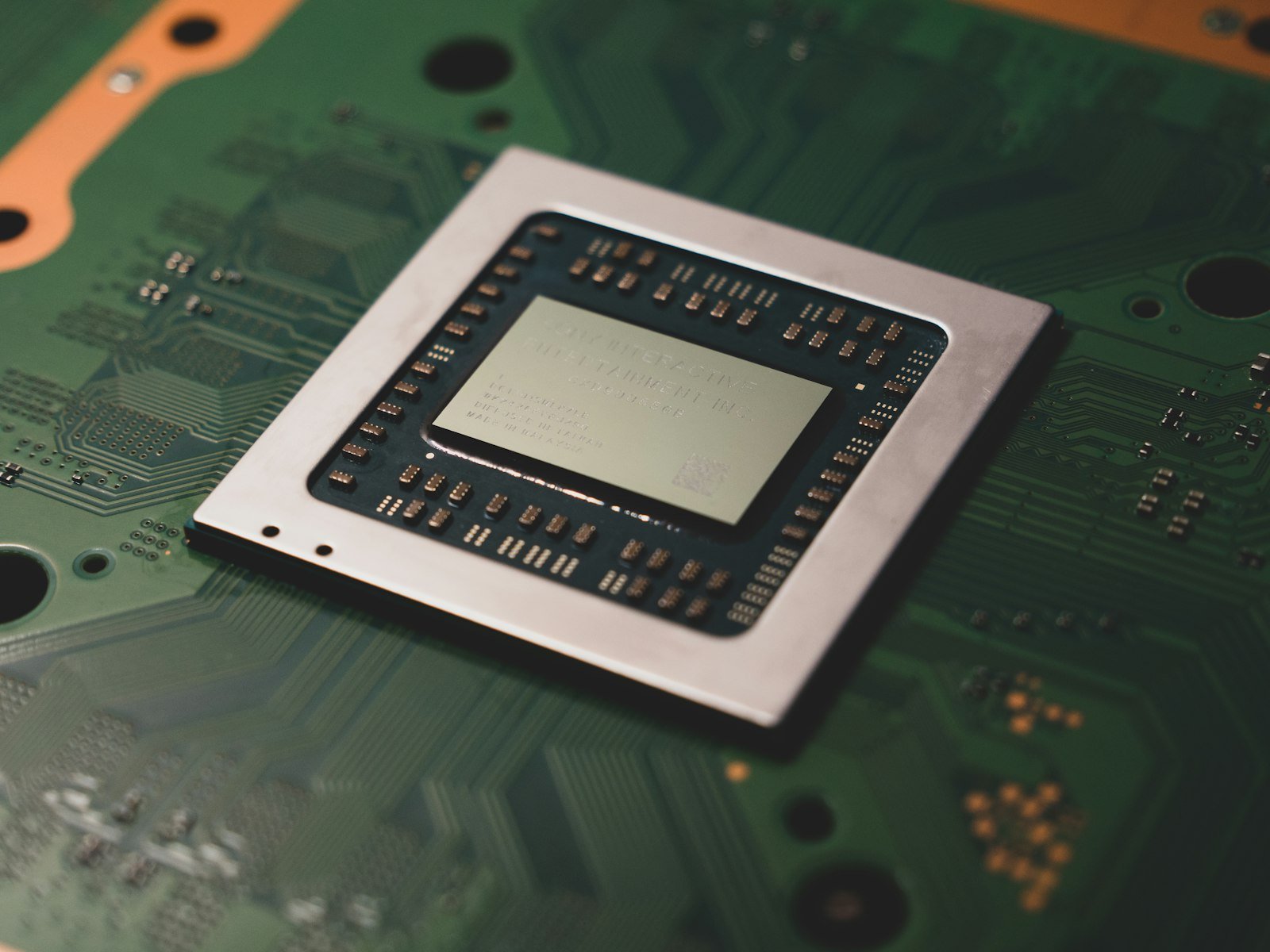
How AMD $1 Trillion Market Cap Happened
AMD’s climb into thirteen figure territory is the story of a genuine turnaround, not an overnight fluke. When Lisa Su became CEO in 2014, she inherited a company with deeply negative margins and a stock trading in the single digits. More than a decade of steady execution followed, and 2026 alone has seen AMD shares nearly triple, up roughly 173% to 290% over the past year depending on the exact measurement window. Reuters attributed the specific September surge to accelerating demand for AI infrastructure, framing it as part of a broader repricing of chip stocks tied to data center buildouts.
Part of what makes the AMD $1 trillion market cap moment notable is timing. Just weeks earlier, AMD had raised prices roughly 10% across its AI accelerators, consumer GPUs, and chipsets, a move that helped push its valuation from about $992 billion toward the trillion dollar line rather than away from it, an unusual outcome for a price hike.
What’s Actually Driving the Rally
AMD’s Data Center segment is doing the heavy lifting. In its most recent quarter, that division brought in $6.7 billion in revenue, up 107% year over year, and now makes up 58% of AMD’s total business. Those numbers are being fed by multi gigawatt GPU commitments from OpenAI, Meta, and Anthropic, the same handful of AI labs and hyperscalers currently racing to secure enough computing capacity for their models. AMD’s own chief financial officer has lifted the company’s long term addressable market forecast to $3 trillion, a number investors appear to be treating as increasingly credible with each passing week.
Bank of America has since raised its AMD price target to $720, arguing that AI agents will drive server CPU sales toward $211 billion by 2030. Analyst sentiment has moved quickly in the same direction: 2027 consensus earnings per share estimates climbed from $13.10 ninety days ago to $15.57, with 33 upward revisions in the past month against just 3 downward ones.
How AMD Stacks Up Against Nvidia
Even after the AMD $1 trillion market cap milestone, the company remains well behind Nvidia, which sits above $5 trillion in value. But the comparison that has analysts talking is not size, it is speed. AMD shares gained about 280% from July 2024 through September 2026, versus roughly 78% for Nvidia over the same stretch, a performance gap of more than 160 percentage points that is the widest it has been since the start of the current AI investment cycle. That gap raises an uncomfortable question for AMD’s closest rival in traditional chips: why hasn’t Intel joined this club at all.
The Numbers Behind the Run
AMD’s most recent quarterly report showed revenue of $11.54 billion, up 50% year over year, with non GAAP earnings of $1.66 per share against a $1.61 consensus estimate. The stock currently trades at a forward price to earnings ratio of around 36, with a PEG ratio near 0.57, a combination some analysts read as reasonably priced growth rather than pure speculation. Others point to a much higher trailing P/E, over 200 by some calculations, as a sign that a great deal of future execution is already baked into today’s share price.
Why This Milestone Comes With a Catch
Not every part of AMD’s business is booming. Gaming segment revenue fell 31% year over year, and U.S. export controls on certain AI chips, including the MI308, remain an overhang on future Data Center growth. Su herself has flagged a tight server CPU supply chain as a risk heading into the back half of the year.
Capital expenditures have also nearly tripled year over year, which pushed free cash flow down even as revenue climbed, a tradeoff common among companies investing heavily to keep pace with AI demand. For a look at how that same infrastructure race is playing out at a much smaller, newer company, our coverage of the Nscale IPO covers a chipmaker’s customer on the other side of this boom, one posting explosive revenue growth alongside a billion dollar loss.
None of this is investment advice, and stock prices can fall as quickly as they rise. Readers considering any investment decision should do their own research or speak with a licensed financial advisor rather than treat a single milestone as a signal to buy or sell.
Key Takeaways
Crossing AMD $1 trillion market cap does not settle the debate over whether AMD is fairly valued, it just raises the stakes on the next few earnings reports. As CNBC reported, AMD is still well behind Nvidia in absolute size, but the pace of the past two years has been enough to force analysts across Wall Street to rewrite their models in real time. Whether that pace holds now depends less on this milestone and more on whether AMD’s next earnings report clears the bar its own stock price has already set.
Frequently Asked Questions
When did the AMD $1 trillion market cap moment happen?
AMD crossed $1 trillion in market capitalization for the first time on Monday, September 21, 2026, after shares surged as much as 10% in a single session.
Is AMD the biggest chipmaker to reach $1 trillion?
No. AMD is the fourth U.S. chipmaker to cross that threshold, joining Nvidia, Broadcom, and Micron, and it remains well behind Nvidia’s roughly $5 trillion valuation.
What is driving AMD’s stock higher?
Data Center revenue tied to AI chip demand from customers including OpenAI, Meta, and Anthropic has grown 107% year over year and now makes up more than half of AMD’s total revenue.
Related reading