Wasting Thousands on Dead Ads? The Ultimate 3-Step AI Marketing Framework for Explosive Growth
AI Marketing Framework: End Ad Waste for Explosive Growth
Imagine this: You’re a founder, staring at your dashboard, watching your ad budget vanish faster than a snowflake in a Dhaka summer. CPA’s shooting up, ROAS is nosediving, and those so-called “killer” ads on Facebook, Google, LinkedIn? Yeah, they’re toast.
If you feel like every campaign is a round of blindfolded darts, you’re not alone. Most CMOs and agency owners I meet are just as fed up—burning thousands, hoping for a miracle. That lazy “set it and forget it” ad era? Dead and buried. Audiences are bored, targeting’s all over the place, and the platforms change the game every week.
Here’s the real twist: While old-school marketers still trust their gut (or pay agencies top dollar for “expert” hunches), the smart crowd has already jumped ship. They’re using AI ad optimization—and they’re cleaning up. Forget buzzwords.
AI is survival, plain and simple. It’s how you slash customer acquisition costs, squeeze real ROAS out of dying ads, and actually make your budget work for you. Ready to plug the leaks? Good. Let’s dig into the AI marketing framework that actually gets results.
Unleashing the 3-Step AI Marketing Framework for AI Ad Optimization
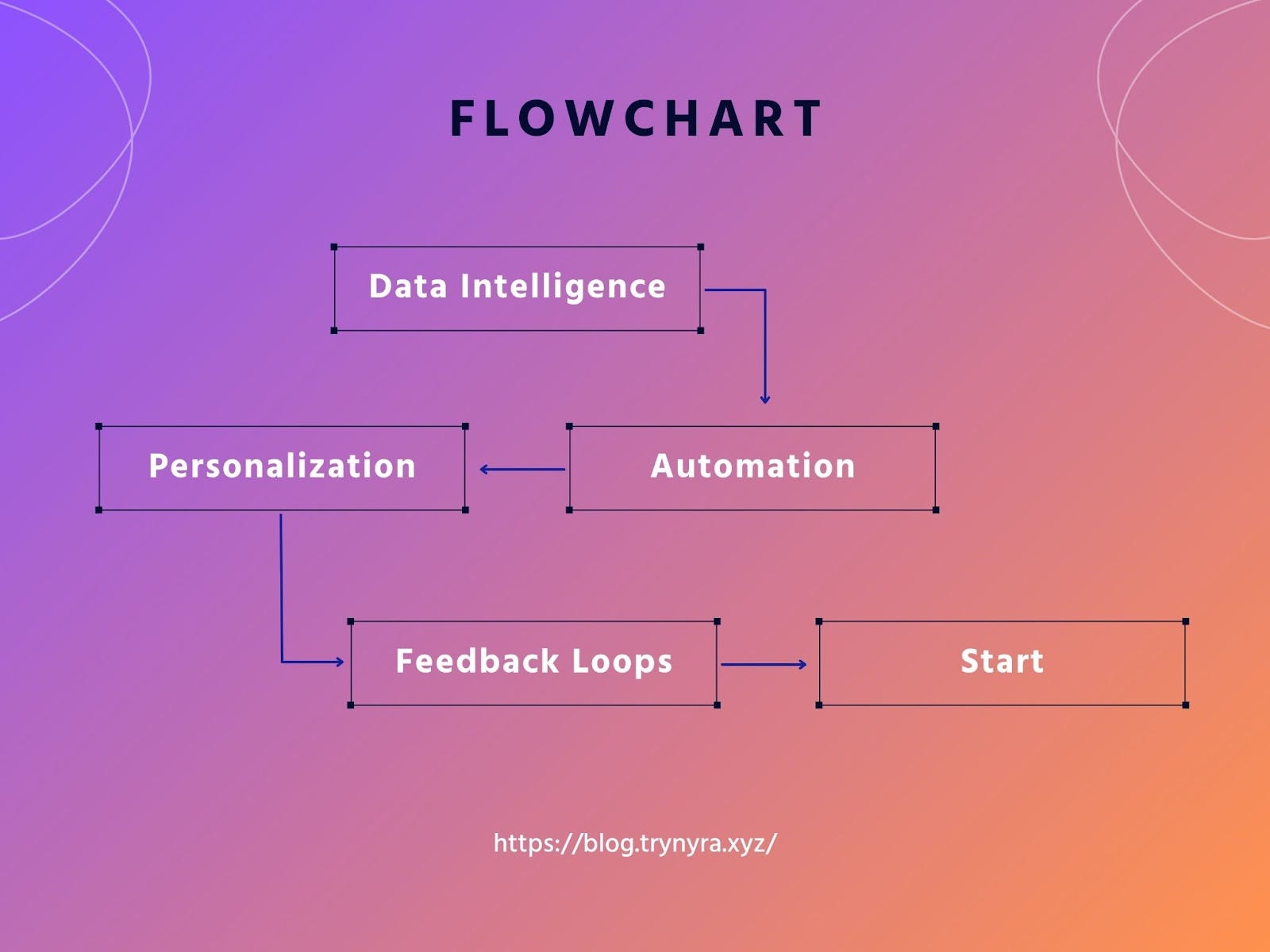
Stop listening to agencies who treat marketing like it’s Vegas. This framework isn’t fluffy theory—it’s a practical, three-step system built for founders, CMOs, and agency owners who are sick of watching their numbers slide. We’re talking data, creativity, and automation rolled into one. Imagine going from a clunky flip phone to a supercomputer. Your ads will feel the difference.
We’ll keep it straightforward, with steps you can use right now. And hey, a little sarcasm—because the old “guess-and-hope” approach deserves it. Those agencies charging five figures for yesterday’s ideas? Dinosaurs, charging premium for fossils.
Step 1: AI-Driven Predictive Targeting – Stop Guessing, Start Knowing
Sick of blasting ads everywhere and just hoping something sticks? That’s ancient history now. It wastes your money, your time, and let’s be honest, it feels like shouting into the wind. AI ad optimization flips the script. With predictive targeting, AI marketing tools—think predictive analytics, lookalike modeling—zero in on people ready to buy, sometimes before they’ve even started searching.
It’s pretty simple: Plug your CRM data into platforms like Google Analytics 4, or try a third-party tool like HubSpot’s predictive lead scoring. The AI sifts through everything—old purchases, browsing habits, even stuff like market trends—and slices your audience into laser-focused segments. Forget spending cash on people who never convert. Now, you’re talking directly to the ones who actually want what you’re selling.
If you’re B2B, this is a game-changer. Picture a SaaS company using AI to spot which businesses are looking to buy, just by scanning job listings or funding announcements. I saw a client swap old-school targeting for AI models, and their Cost Per Acquisition dropped by 40%. Not kidding. Meanwhile, traditional agencies are still A/B testing for weeks while AI just breezes through, saving you a pile of cash.
Here’s a quick comparison table to help you get rolling:
| Aspect | Traditional Targeting | AI-Driven Predictive Targeting |
|---|---|---|
| Method | Manual demographics and keywords | Data analysis with machine learning |
| Accuracy | Hit-or-miss (guesswork) | Up to 80% higher intent prediction |
| Time to Implement | Weeks of setup | Hours with AI ad optimization tools |
| Impact on ROAS | Stagnant or declining | Improve ROAS with AI by 2-3x |
This step alone can reduce customer acquisition cost dramatically, setting the stage for the rest of the AI marketing framework.
Step 2: Hyper-Personalized Dynamic Creatives – The Content Engine That Crushes Ad Fatigue
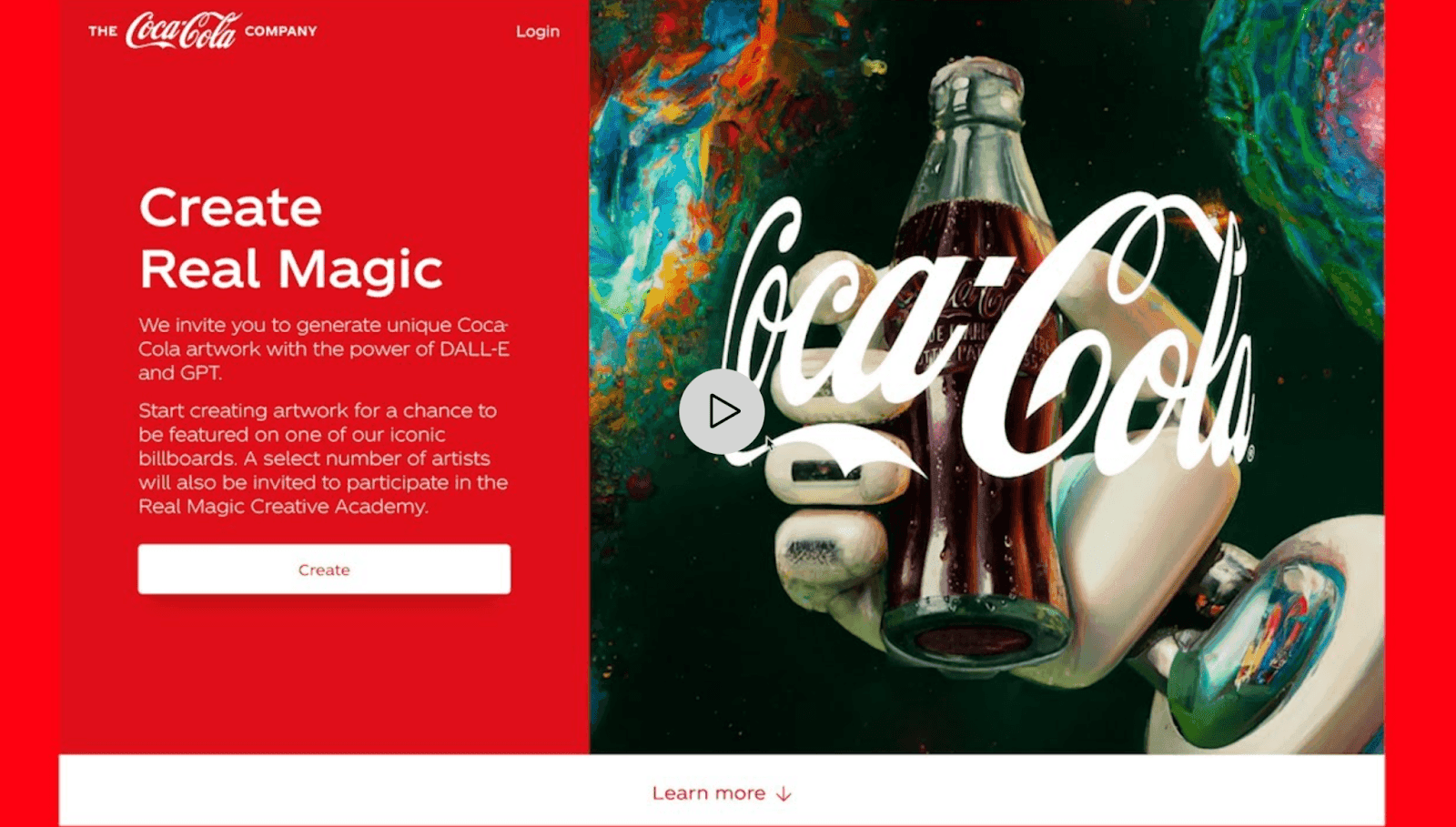
Ad fatigue is real—show the same bland creative too many times and your audience checks out faster than a bad Tinder date. But AI ad optimization lets you crank out custom content at scale with generative AI tools like Midjourney for visuals, ChatGPT for copy, and Synthesia for video.
What’s cool is how easy it gets to test a ton of variations. Drop in your brand guidelines and let AI whip up fresh ads—swap headlines, images, CTAs, all based on what your data says people want. For LinkedIn B2B ads, that means targeting a CMO right where it hurts: “Struggling with ROAS? Here’s How AI Fixes It.” Each version talks directly to the decision-maker.
Honestly, it’s almost funny. Agencies used to bill $5,000 for a single ad set that barely lasted a week. Now, with AI, you’re running dozens of smart, evolving creatives that keep people engaged. I know a marketing agency owner who tripled their click-through rates just by automating this process. Suddenly, creative isn’t a grind—it’s your secret weapon for growth.
Quick tip: Start small. Use ChatGPT to spin up 50 headline ideas, then let Midjourney turn them into visuals. Hook it up with Facebook’s Dynamic Creative Optimization for easy testing. You’ll boost ROAS and keep customer acquisition costs under control because every ad just fits better.
Step 3: Algorithmic Budget Optimization – Protecting Your ROAS in Real-Time
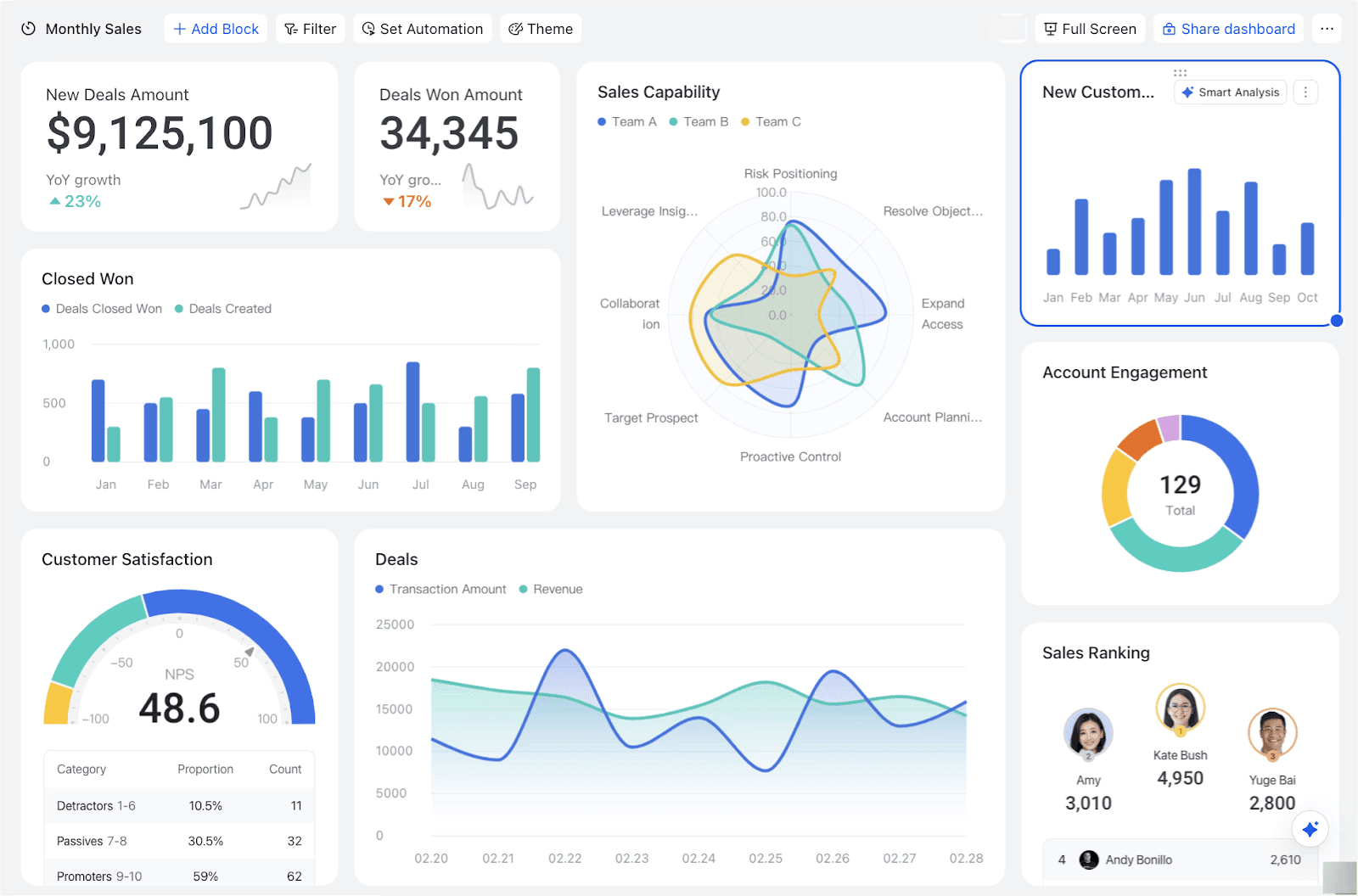
You’ve nailed down your targets and creative, but if you’re not smart about your budget, none of it matters. This is where AI-powered bidding and automated rules come in—they move your dollars from losers to winners, way faster than any manual process.
Platforms like Google’s Smart Bidding or Adzooma use machine learning to predict what’ll work and adjust your bids on the fly. Set up rules: If an ad’s ROAS drops below 3x, pause it automatically. On LinkedIn, tools like Madgicx can watch your CPA and shift spend to the best-performing segments.
And honestly, I get the pain—watching ad budgets go up in smoke is brutal. But these AI tools have your back. I’ve seen founders cut their wasted spend in half, turning campaigns from money pits into ROAS machines. Meanwhile, some agencies are still manually tweaking bids like it’s the Stone Age—AI just keeps working, no caffeine required.
Check out this graph to see the difference it makes:
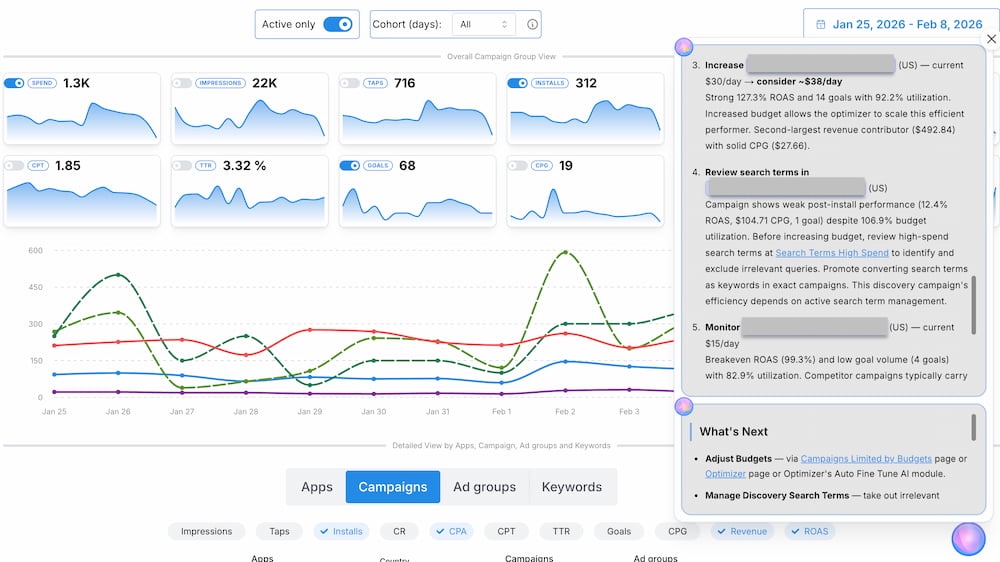
In the chart above, note how AI ad optimization steadies and elevates ROAS over time, while traditional methods fluctuate wildly. This step ensures your AI marketing framework delivers sustained growth, making B2B AI strategies indispensable.
Let’s wrap this up. You’ve just seen the three-step AI marketing framework: predictive targeting to lock in your audience, dynamic creatives that keep people interested, and smart budget optimization that protects your ROAS. Put these together and you’re not just saving money—you’re turning mediocre ad campaigns into real growth machines.
Seriously, don’t burn another dollar on ads that don’t pay off. Take a look at your current spend. Grab a free AI tool—Google’s Performance Planner or even ChatGPT for some creative ideas. Try out just one new step today. You’ll see the difference. So, what’s holding you back? Jump into AI ad optimization and stop guessing. Your results (and your bottom line) will thank you.
Frequently Asked Questions (FAQs)
What is the 3-Step AI Marketing Framework?
It’s a simple, powerful way to revitalize your ad campaigns with AI. First, use predictive targeting to find the people most likely to buy. Then, roll out dynamic creatives to keep ads fresh and engaging. Last, let algorithms handle your budget so you always get the best return. Founders, CMOs, agency owners—anyone tired of wasting money on weak ads—can use this to drive serious growth.
How does AI help with predictive targeting in ads?
AI crunches data—your CRM, browsing habits, outside signals—to spot the people most likely to convert. You’re not guessing anymore. AI finds hot prospects before they even start searching, so you spend less and get more customers. Tools like Google Analytics 4 or HubSpot’s predictive lead scoring make this easy, even in B2B.
What AI tools work best for creating dynamic creatives?
Generative AI is your friend. Use ChatGPT for copy, Midjourney for images, Synthesia for videos. Test dozens (or hundreds) of ad versions at once. Connect these with Facebook’s Dynamic Creative Optimization and you can tailor ads automatically, fighting off ad fatigue without breaking a sweat.
How do I get started with algorithmic budget optimization?
Try AI bidding tools—Google’s Smart Bidding, Adzooma, Madgicx. Set up rules to pause ads that aren’t performing and boost the ones that are. Watch your CPA and ROAS like a hawk. For platforms like LinkedIn or Google, these tools reallocate your budget in real-time, so your money always works hardest.
Is this AI marketing framework just for big companies?
Not at all. Small businesses can jump in, too. Many AI tools are free or affordable (ChatGPT, Google’s Performance Planner). You don’t need a huge budget or tech team. Start with predictive targeting and you’ll see wins quickly—no heavy lifting required.
How much do these AI marketing tools cost?
It depends. Some, like ChatGPT and Google’s basic analytics, are free. Others—HubSpot, Madgicx—start at $20–$100 a month. Advanced stuff like Synthesia is more ($30–$200/month). But here’s the thing: this framework can cut your CPA by up to half. It pays for itself.
How fast will I see results?
You can spot improvements in a week or two if you set things up right, especially with less wasted ad spend. Big jumps—like doubling your ROAS—usually show up in four to six weeks, once the AI gets enough data to really dial things in. Start small, move fast, and keep an eye on your numbers.
Do I need to be a tech whiz to use these AI strategies?
Nope. Most tools are made for regular users—think drag-and-drop, simple dashboards. Knowing your way around Facebook, Google, or LinkedIn ads helps, but there are plenty of tutorials. If you’re not technical, start with guided tools like Google’s Smart Bidding. If things get complicated, agencies can help.
Will this framework work for e-commerce, or just B2B?
It’s flexible. Yes, it’s great for B2B, but it works just as well for e-commerce. Predictive targeting helps you find shoppers ready to buy, dynamic creatives keep your product ads fresh, and budget optimization lets you make the most of seasonal spikes. Both types of clients have seen better ROAS with it.
My ads are doing okay. Do I really need AI?
Even “okay” ads can leak money you don’t see. AI finds hidden gaps—missed audiences, tired creatives. Use the framework to turn good results into great ones. You could double or triple your ROAS, often without spending more.
Glossary of Terms
- AI Ad Optimization: Using artificial intelligence to make ads work better. This means smarter targeting, better ad creatives, and tighter budgeting. With AI, you cut the waste and get more out of your ad spend because it makes fast, data-driven decisions for you.
- AI Marketing Framework: Think of this as a step-by-step approach that brings AI tools into your marketing game. It helps you run campaigns more efficiently, spend less, and grow faster—all by following a clear structure, like the 3-step model we talked about.
- AI Marketing Tools: These are AI-powered programs, like ChatGPT, Midjourney, or Google’s Smart Bidding. They handle everything from writing ad copy to managing bids, so you can automate and fine-tune your marketing without breaking a sweat.
- Ad Fatigue: When people see the same ad too often, they just stop paying attention. Engagement drops, and your costs go up. AI tackles this by switching up your creatives and keeping things fresh.
- Algorithmic Budget Optimization: AI jumps in here to move your ad dollars around in real time. It pulls money away from ads that aren’t working and pushes it toward the ones that are—protecting your profits.
- B2B AI Strategies: These are AI techniques built for business-to-business marketing. You get things like smarter lead scoring, targeting the right companies, and personalizing messages, all to bring down the cost of winning new business customers.
- CPA (Cost Per Acquisition): This is what you pay, on average, to get a new customer through advertising. AI works hard to keep this number down by dialing in your targeting and making your spend more efficient.
- Dynamic Creatives: With AI, your ads can change on the fly. Headlines, images, calls to action—you name it—get automatically swapped and tested so your ads feel more relevant to each person.
- Generative AI: This is AI that actually creates stuff—text, images, videos, you name it. Tools like ChatGPT or Midjourney let you personalize marketing at scale, cranking out content fast.
- Hyper-Personalized Dynamic Creatives: Here, AI builds ads tailored to each user’s data and behavior. The goal? Knock out ad fatigue and keep people engaged.
- Improve ROAS with AI: Use AI to squeeze more revenue from every ad dollar. It fine-tunes everything—targeting, creative, budget—so your Return On Ad Spend shoots up.
- Lookalike Modeling: AI finds people who look like your best customers by spotting patterns in your data. That way, you can reach more folks who are likely to buy.
- Predictive Analytics: AI digs through past data to guess what people will do next. Marketers can then target buyers before they even start shopping—saving money and getting ahead of the competition.
- Predictive Targeting: Instead of just picking audiences based on demographics, AI figures out who’s most likely to convert by analyzing behavior and other signals.
- Reduce Customer Acquisition Cost: With AI-driven strategies, you can lower what it costs to land a new customer. Smarter targeting and constant optimization help you get more for less.
- ROAS (Return On Ad Spend): This metric shows how much money you bring in for every dollar spent on ads. With the right AI framework, you can turn your ad campaigns into real profit machines.
- Smart Bidding: Platforms like Google Ads use AI to automatically adjust your bids in real time. The goal? More conversions or a higher ROAS, all without you having to micromanage.