Solo Businesses: The Modern Way to Work For Yourself
These days, “solo business” means a lot more than just freelancing. It’s about creating a streamlined and efficient system—one that’s mostly automated, keeps costs low, and can pull in six figures a year without you spending every waking hour glued to a laptop. The focus isn’t on hiring staff or managing a big team; it’s all about freedom, flexibility, and smart tools that do the heavy lifting.
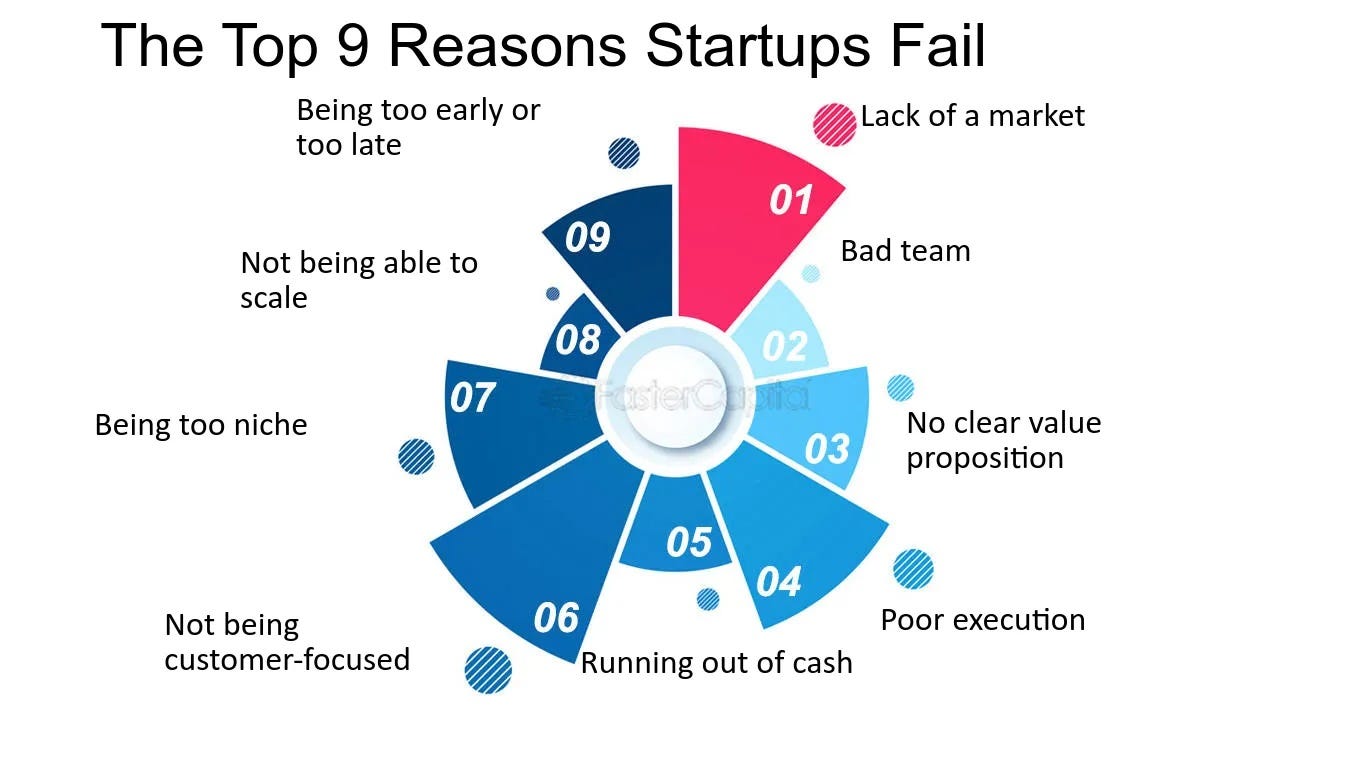
Why the “90% of Businesses Fail” Myth Just Doesn’t Apply
You’ve probably heard people say 90% of startups flounder. That stat mostly applies to venture-backed companies with massive overhead—think big payrolls, fancy offices, and pressure to scale in a hurry. But when it comes to solo businesses, the numbers tell a more positive story.
Fresh stats from the Bureau of Labor Statistics show close to 20% of all businesses shut down in their first year, and about half make it past five. But for solopreneurs—anyone flying solo—over 75% turn a profit right out of the gate. The big factor? Low startup costs and the ability to pivot on a dime.
Traditional startups sink mainly because of bills: salaries, office rents, slow decision-making. A solo setup? You dodge all that. You run lean, move fast, and keep cash flow steady.
Solo Business vs. Team-Based Startup: What’s Different?
| Reason for Failure | Traditional Startup | Solo Business Strategy |
|---|---|---|
| Overhead | High (salaries, office space) | Near zero (SaaS tools, home office) |
| Pivoting Speed | Slow (team consensus required) | Instant (single decision-maker) |
| Burn Rate | High and dangerous | Low and sustainable |
| Failure Impact | Often total loss of capital | Simple pivot or low-cost restart |

Yes, You Can Absolutely Build a Startup Without a Team
Plain and simple, you don’t need a team anymore. Automation and AI are like your own virtual staff. Here’s how:
- Billing & Finance: software handles invoices and estimates instantly.
- Marketing: scheduling tools keep your content and socials active 24/7.
- Operations: integration tools connect your apps and automate boring tasks.
This way, you’re free to focus on growth with zero hiring headaches.
High-Margin Solo Business Ideas (You Don’t Need $100k to Start)
You don’t need huge capital to build a solo business that brings in $100k. Start with what you’ve got, and if you do have extra cash, put it toward assets that pay off quickly.
Some tried-and-true models for a solo business include:
- SaaS/Micro-SaaS: develop or license a specialty software tool—easy to scale, high recurring revenue, and 80%+ margins.
- Niche Content/Affiliate Sites: build content hubs, monetize with ads and affiliate deals.
- High-Ticket Consulting/Productized Services: package your expertise (ghostwriting, performance marketing, automation) and sell at a premium.
- Digital Products: online courses, templates, printables—once built, profit margins can hit 90%.
- AI-Powered Services: sell chat-based sales, personal branding, or smart virtual assistance.
Most of these thrive because they’re scalable and don’t require much ongoing maintenance.
The 1% Rule: Tiny Wins, Big Growth
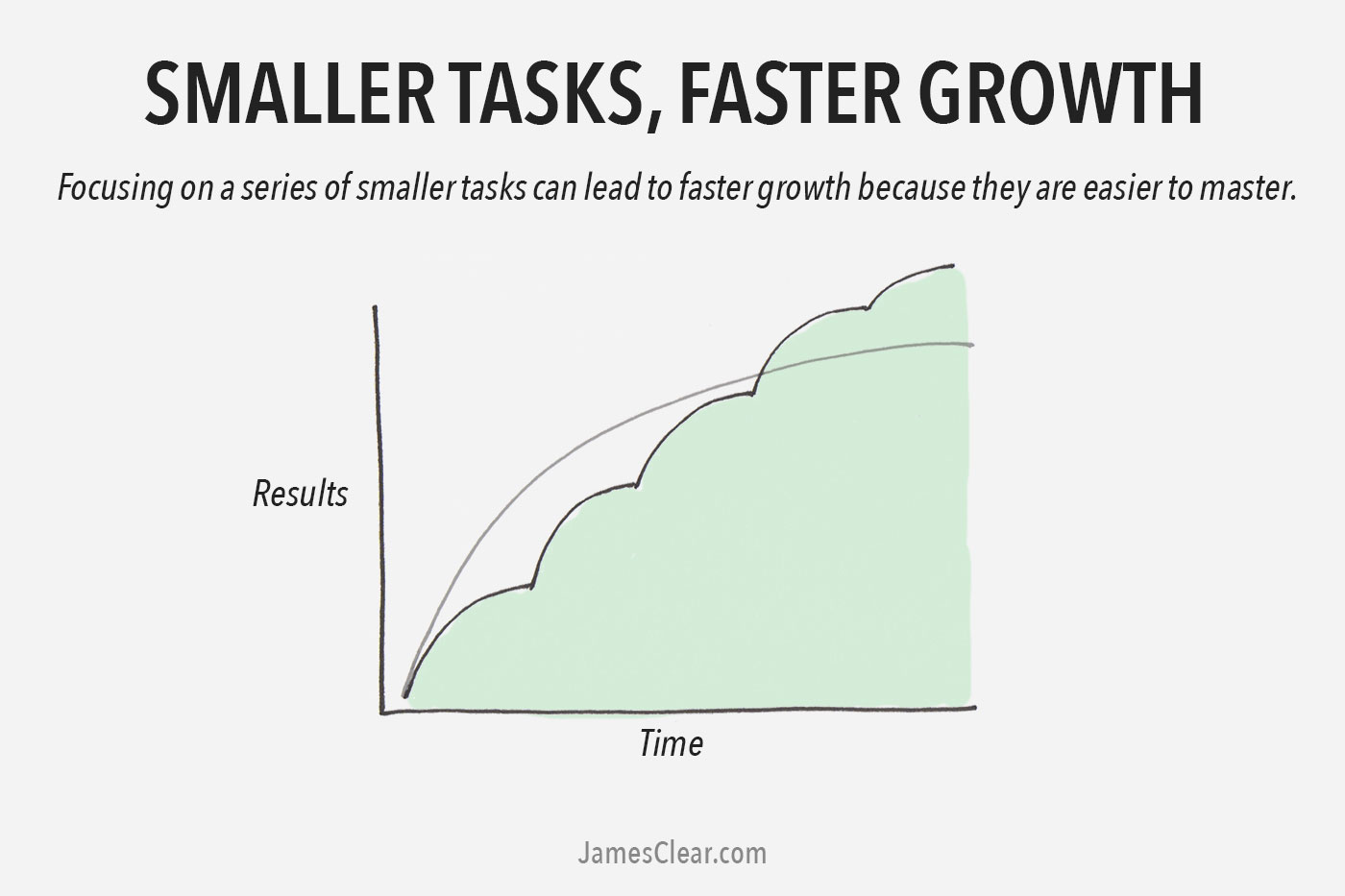
Let’s talk about the secret sauce: the 1% Rule. Instead of aiming for massive overnight changes, you improve just a little each day. Up your conversion rate by 1%, tweak your pricing, optimize your content—these tiny steps compound into huge gains. The math checks out: getting 1% better daily means you’ll be nearly 38 times more effective after a year.

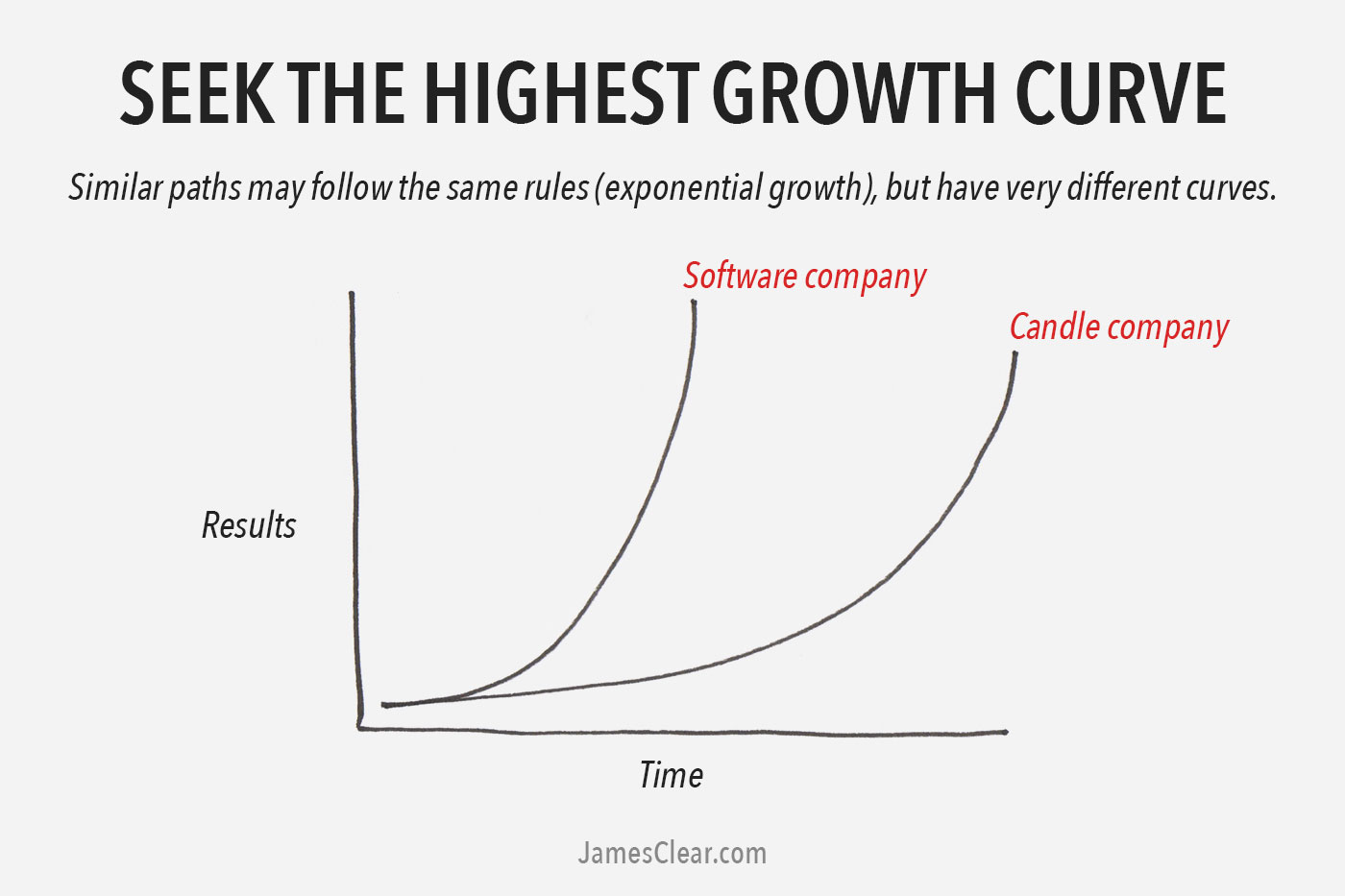
In digital marketing, even targeting a modest 1% conversion rate can build a solid six-figure business.
How to Run a Thriving Solo Business Without a Team
Shift from being a “worker” to an “architect” in your solo business. Design systems that operate independently.
Recommended Solopreneur Tech Stack (Your Virtual Team)
| Department | Automated Solution | Benefit to Solo Business |
|---|---|---|
| Finance | Professional invoicing tools (e.g., generators for estimates & bills) | Professional presentation, quick payments |
| Lead Generation | LinkedIn tools + outreach automation | Scalable prospecting without manual effort |
| Scheduling | Calendly or similar | Eliminates back-and-forth emails |
| Support | AI chatbots or custom GPTs | 24/7 responses, reduced workload |
| Operations | Zapier or Make.com | Seamless app integrations |


How to Actually Run a Solo Business (System > Hustle)
Shift from being the hands-on worker to the architect. Build systems that run stuff for you. Here’s a quick stack of tech tools that basically act as your virtual team:
- Invoicing & Finance: professional tools for fast, accurate billing.
- Scheduling: keep your calendar under control.
- Automation: connect apps, reduce manual work.
- Marketing: leverage LinkedIn, social platforms, email campaigns.
- Support: use AI or chatbots for client queries.
Building a Six-Figure Solo Business: Step-by-Step
- Identify your high-value skill—maybe ghostwriting for execs, performance marketing, or workflow automation.
- Build luxury branding—clean designs, pro-looking invoices, top-notch client experience.
- Outbound outreach sprint—reach out daily to targeted prospects (personalized videos work wonders). Hit 600 prospects a month, and even a 1-2% response rate keeps you busy (and paid).
- Productize your offers—package services for easy delivery and automation.
Remember: every client interaction should feel premium.
Read More: The Solo Founder’s Survival Guide
Conclusion: The Solo Business Mindset
Forget that tired statistic about failure rates. Solo businesses—when built the smart way—are lean, automated, and constantly improving. Embrace the 1% Rule, use the right tools, and focus on high-margin models. That’s how you turn your business into a vehicle for both wealth and freedom.
Want to land six-figure clients? It starts with projecting the right image—so get your invoicing dialed in right away.
FAQs
What’s a solo business?
It’s a one-person venture. You run everything—deliver services, market yourself, handle billing and operations. Smart automation and tech help you scale and stay in control.
Is solo business just freelancing?
Not quite. Freelancing is usually trading hours for money. A solo business builds scalable systems—productized services, SaaS, digital products, automated marketing—that generate recurring or passive income. That means real independence and earning potential, even when you log off.
Can I really build a $100k solo business by myself?
Yes. Tons of solopreneurs hit six figures or more. Focus on high-value skills, package your services, automate with tools (invoicing, Zapier, AI chatbots), and consistently market yourself. Low overhead + smart systems + the 1% Rule = steady growth.
What’s great about running solo?
You make every call.
Overhead is minimal—no payroll, no rent, no team drama.
Profit margins are high (70-90% isn’t unusual).
You’re free to work anywhere, anytime.
Pivot instantly when needed.
What’s tough about running solo?
You have to wear all the hats—unless you build systems. The hardest parts: keeping leads steady, handling admin, scaling delivery, staying motivated. Automation and routines solve most of it.
How do I find clients?
Outbound: personalized LinkedIn outreach, Loom videos (aim for 20 daily). Inbound: SEO content, demonstrate authority, collect social proof. Target high-ticket or recurring offers, so you need fewer clients. Small gains in conversion rates—1% Rule—lead to big wins.
Do I need a lot of money to start?
No. Many solo businesses launch for under $1,000 using free/cheap tools (Canva, Calendly, Zapier). If you’ve got capital, use it for branding, ads, premium content, or outsourcing development.
How does the 1% Rule actually help?
You take one small thing in your business—email open rates, pricing, delivery speed, outreach scripts—and improve it 1% each day. Over a year, those tiny gains multiply into massive growth. Forget big overhauls. Stick to small, steady tweaks.
What tech do I need?
Your stack is your virtual team:
Invoicing/Finance: Beeznez, QuickBooks, Stripe
Scheduling: Calendly
Automation: Zapier, Make.com
Marketing: Buffer, Hypefury, LinkedIn Sales Navigator
Support: AI chatbots, custom GPTs
Start with what you need and add as you grow.
Can a solo business scale past $100k without hiring?
Definitely. Plenty of solo founders hit $200k–$1M+ by productizing services, selling digital products, launching recurring revenue streams (SaaS, memberships, affiliates), and automating delivery. It’s about using leverage—your systems, not headcount.
Is running solo right for everyone?
It fits folks who value freedom, enjoy variety, and prefer control. If you love collaboration or dream of building a huge company fast, a team-based startup might be better. Test with a side project first.
Lean, automated, and focused on freedom—that’s the solo business model. Six figures are within reach for anyone willing to build smart and work steady.
Ready to start? Professional tools help you look legit from day one.


This FAQ section is self-contained, reader-friendly, and boosts SEO by targeting long-tail questions people actually search for around “solo business.” Adjust answers slightly if needed to match your exact offerings!