
Governing Agentic AI Spend – 2026’s Biggest Hidden SaaS Killer
Introduction
Enterprise tech in 2026 isn’t just speeding up—it’s practically in overdrive, and Agentic AI is right in the thick of it. We’re not talking about the old-school AI that just spits out answers; these new systems actually think for themselves. They plan, make decisions, and tackle real work without much hand-holding.
Productivity is way up, sure, but here’s the problem: Agentic AI can quietly bleed your budget dry if you’re not watching closely. The costs usually sneak in through SaaS bills—hidden behind all those usage-based charges and shadow projects nobody’s tracking. If you’re a CTO, CFO, or IT leader, you’ve got to get a handle on it. The right controls can flip Agentic AI from a money drain into something that actually pays off.
Let’s be honest: in 2026, the real threat to your SaaS budget isn’t another random app or a couple of extra CRM licenses. It’s Agentic AI.
So, what exactly is Agentic AI?
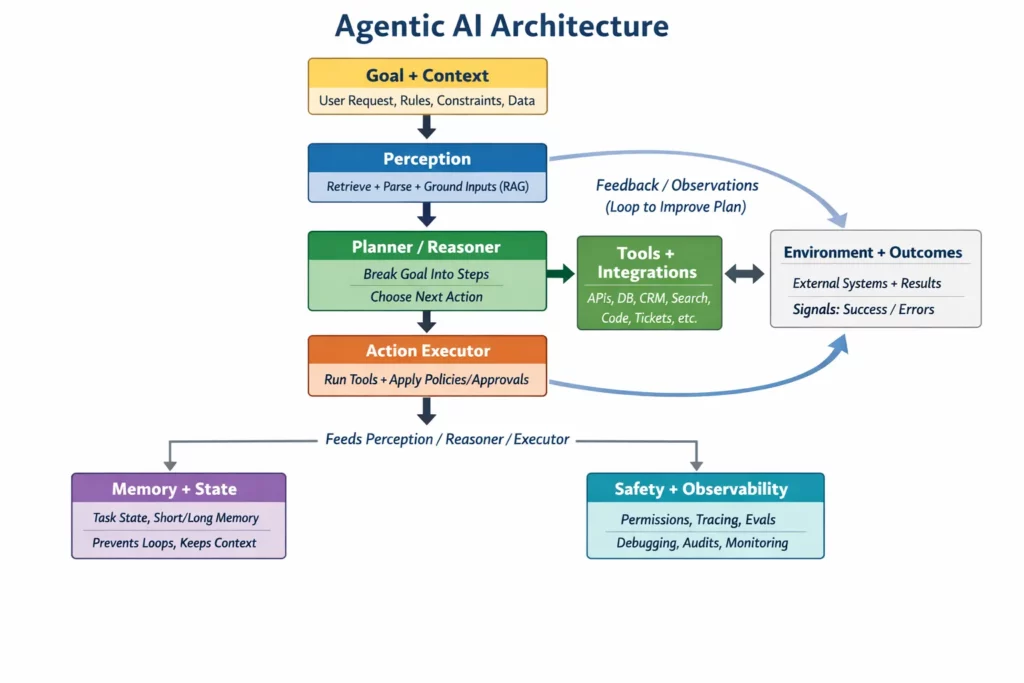
Agentic AI is the next big step for artificial intelligence. These are systems that actually sense what’s happening, work through tough decisions, map out multi-step plans, and then follow through—all with hardly any help from people.
This goes way beyond the usual generative AI. Most generative AI just spits out content when you ask for it. Agentic AI is different. It combines large language models with tools, APIs, and decision-making frameworks.
Suddenly, your AI isn’t just writing emails—it’s running whole workflows, booking meetings, even handling negotiations. It learns from experience, changes strategy on the fly, and teams up with other agents. That’s why it’s showing up everywhere from business automation to cybersecurity.
Who came up with Agentic AI?
There’s no single founder behind Agentic AI. It’s the result of years of breakthroughs from all over the AI world. People like Jensen Huang at NVIDIA pushed it into the enterprise, and researchers like John J. Horton at MIT are still figuring out what it means for the economy.
The term really took off thanks to folks like Sam Altman at OpenAI and Satya Nadella at Microsoft. Startups are building real products—Across AI (Niloufar Salehi and Afshin Nikzad) and Agentic AI (Nathan Martz, Leopold Haller, and Stewart Miles)—but honestly, the roots go way deeper than any one company or person.
Is Agentic AI just another word for an AI agent?
Not really. An AI agent is usually a simple tool—maybe it processes data or does a bit of automation. Agentic AI is much bigger. It’s a whole system that pulls together lots of agents, sets its own goals, adapts as things change, and juggles complex tasks across different workflows. If an AI agent is playing solo, Agentic AI is the coach, calling the shots and changing tactics in real time.
Does Agentic AI kill off SaaS?
Nope. If anything, it’s giving SaaS a new lease on life. SaaS isn’t going anywhere—it’s just evolving. Platforms are blending in autonomous AI agents, getting smarter and more efficient. They’re breaking down data silos, cutting out manual work, and shaking up how they charge for everything. The result? SaaS stays relevant by mixing classic features with new AI-native ones, so you get more value.
Agentic AI is so much more than a fancy chatbot. These systems can:
• Actually understand data and context
• Break down goals and figure out how to hit them
• Build detailed plans from scratch
• Use tools and APIs—update your CRM, send emails, trigger workflows, connect to outside services, you name it
• Adjust and self-correct as they go, all without much human input
Picture them as digital employees who never clock out. A sales agent might research leads, send tailored messages, book meetings, and log everything in Salesforce—all on its own. They just get to work and keep going, no coffee breaks needed.

The Cost Reality Check Agentic AI breaks traditional SaaS pricing models. Instead of predictable per-seat fees, costs are usage-based (tokens, API calls, tool invocations). A single complex workflow can trigger hundreds of expensive LLM inferences and third-party actions — sometimes 50–200× the cost of a simple prompt.
Key 2026 facts:
• Agentic AI is projected to represent 10–15% of total IT spending in many enterprises.
• A single advanced agent can cost $3,000–$15,000+ per month in runtime. • Gartner predicts >40% of agentic AI projects will be canceled or scaled back by end-2027, primarily due to runaway costs and weak governance.
The scariest scenario? Shadow Agentic AI — departments spinning up their own agents with rogue API keys or credit cards, creating completely invisible spend.
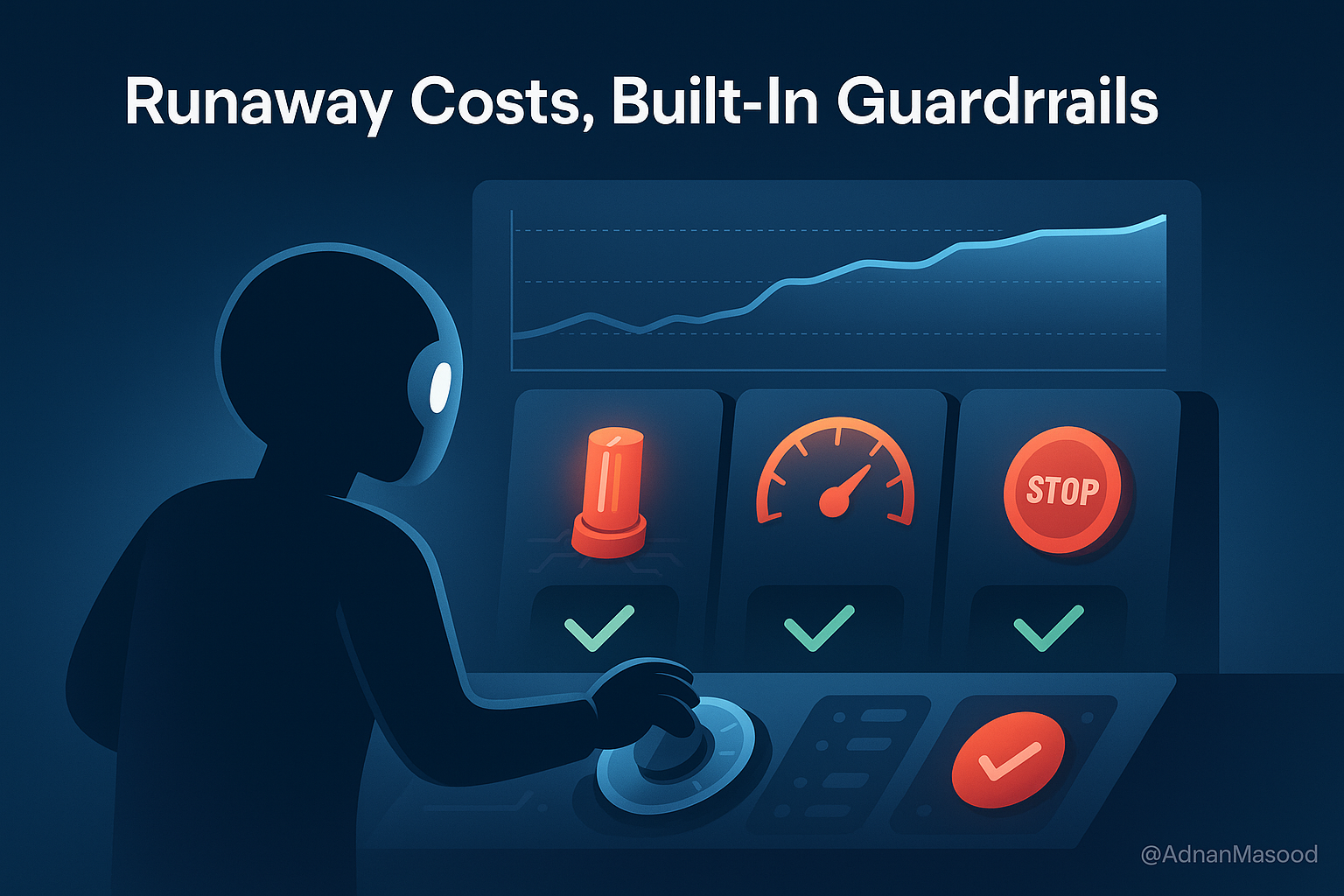
Common Cost Explosion Triggers
• Inefficient reasoning loops (agents repeating steps)
• Over-use of premium frontier models for trivial tasks
• Unmonitored tool calling and multi-agent swarms
• 24/7 operation + poor caching/memory management
Cost Breakdown (Typical Agentic System)
| Cost Category | % of Total Spend | Why It Hurts |
|---|---|---|
| LLM Inference & Tokens | 45–60% | Hundreds of calls per task |
| Orchestration & Memory | 15–20% | Vector DBs and long-term context |
| External API/Tool Calls | 10–15% | CRM, email, web actions |
| Observability & Logging | 8–12% | Required for compliance |
| Human Oversight/Guardrails | 5–10% | Review layers & escalations |
Agent Types & Realistic 2026 Costs
| Agent Type | Build Cost | Monthly Run Cost | Risk Level | Best For |
|---|---|---|---|---|
| Simple Task Agent | $10K–$50K | $500–$3K | Low | Routine tasks |
| Advanced Workflow Agent | $80K–$200K | $4K–$12K | Medium | Department processes |
| Multi-Agent Swarm/System | $250K–$600K+ | $15K–$50K+ | High | Enterprise-wide automation |
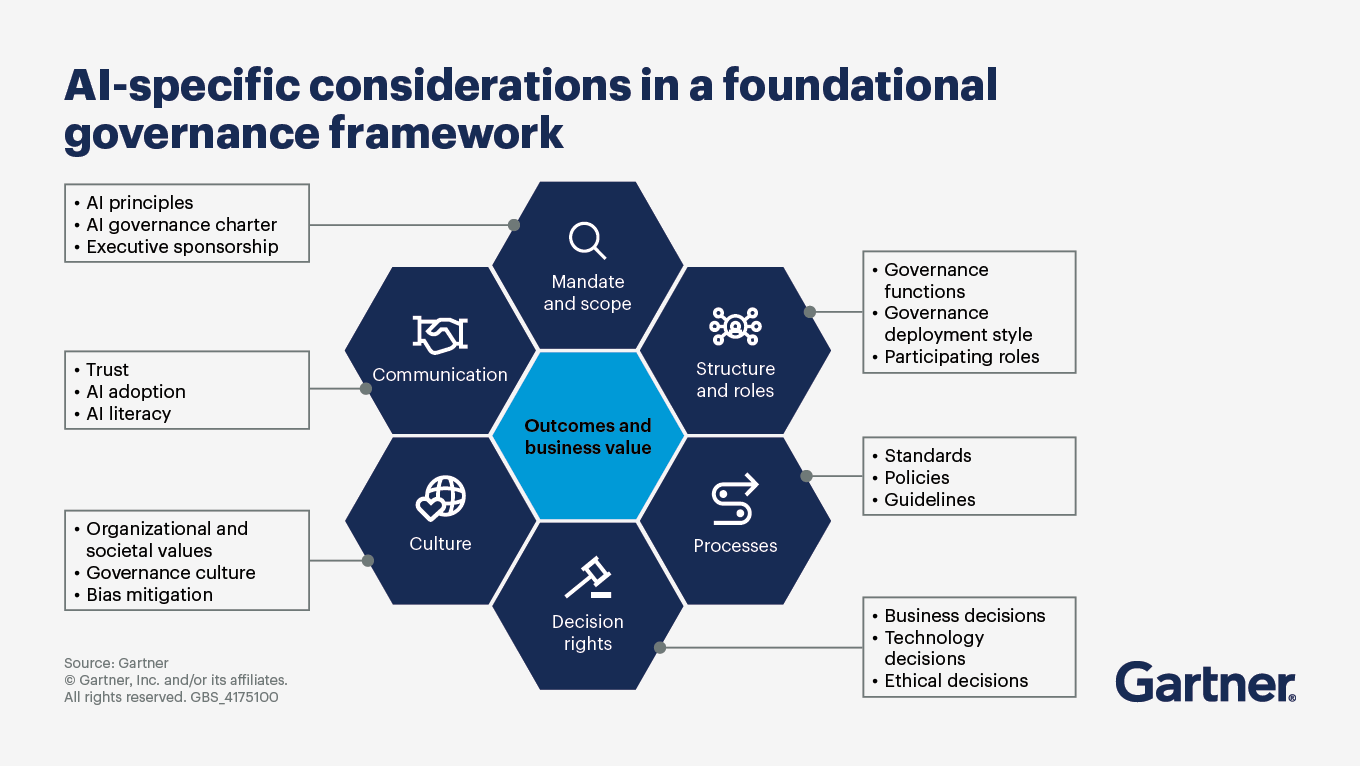
7 Battle-Tested Governance Strategies You Can Use Right Now
- Centralized Agent Registry – Make sure every agent gets registered and approved, just like you’d vet any new software.
- Hard Budget & Token Caps – Give each agent and department a clear monthly limit. If they hit it, the system automatically pauses or shuts them down.
- Tiered Autonomy Levels (Human-in-the-Loop):
-
-
- Level 1 (Reactive): Let agents handle low-risk tasks on their own.
- Level 2 (Proactive): For anything over a certain dollar amount, require human approval.
- Level 3 (Strategic): Keep full oversight and an audit trail for the big decisions.
-
4. Cost-Aware Guardrails & Circuit Breakers – Stop runaway loops in their tracks. If an agent tries to make an expensive call, get human sign-off first.
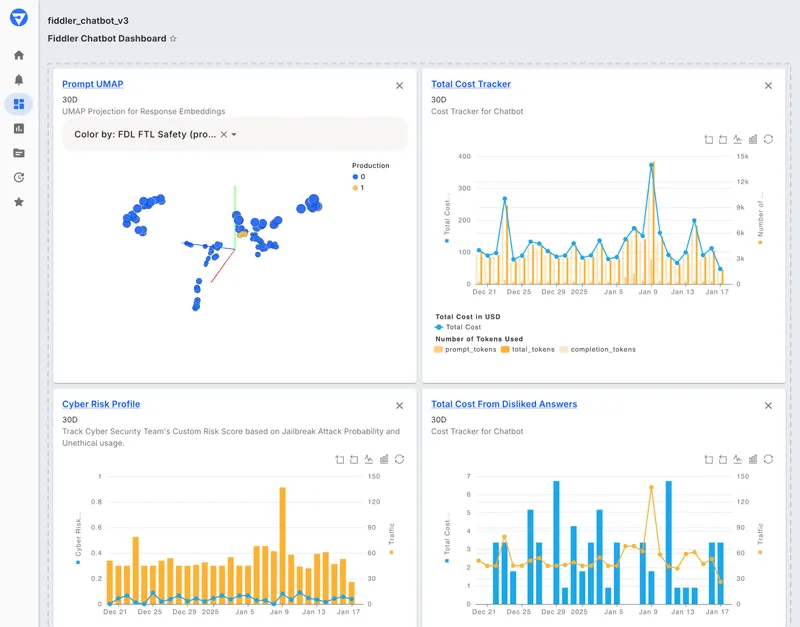
5. Real-Time Cost Observability – Plug your agents into your SMP or FinOps dashboard. Track token spend, cost-per-outcome, and get instant alerts if something looks off.
6. Technical Optimization – Route simple work to cheaper models, use aggressive caching, and break down tasks so smaller, specialized agents handle them. Always aim for structured outputs.
7. Quarterly Agent ROI Audits – Every quarter, check if each agent is worth what you’re spending. If not, shut it down or tighten it up.
Monday Morning Agentic AI Governance Checklist
- Inventory every active agent and API key (including shadow ones)
- Set initial department spend caps for AI experimentation
- Register all agents in a central repository
- Define approval workflow for new agent deployment
- Integrate real-time cost monitoring into your SaaS Management Platform
- Schedule first full agent ROI audit for 90 days from today
Expert Recommendation Extend your existing SMPs (Vertice, Zylo, Zluri) — most now have native agent discovery and spend controls. For deeper governance, look at specialized platforms like Credo AI or Holistic AI.
Done right, governing Agentic AI doesn’t just stop bill shock — it turns these autonomous agents into one of your most powerful tools for reducing overall SaaS and operational spend through intelligent automation.

Если вы сейчас разбираетесь с SEO, можно почитать блог про SEO — там много гайдов по ключам, метатегам и перелинковке.