How AI is Transforming Small Business Operations in 2026
By 2026, artificial intelligence isn’t just a buzzword for small businesses—it’s the backbone of how they get things done. The numbers say it all: 57% of small businesses in the U.S. are now putting money into AI, way up from just 36% back in 2023. Owners aren’t just dabbling with it anymore; they’re using AI to automate boring tasks, dig up useful insights, and actually push their businesses forward.
All this new tech isn’t just for show. Employees are saving about 5.6 hours every week, so they have more time to focus on big-picture stuff. As AI tools get smarter—think agentic AI and predictive analytics—smaller companies are finally able to go toe-to-toe with the big players. In this article, we’ll get into how things are changing, what it means for people on the ground, and where things are headed next.
Artificial intelligence for the real world
Artificial intelligence isn’t just science fiction or something only big companies mess with anymore. For small businesses, it’s become a set of simple, down-to-earth tools that actually help with daily headaches—no tech wizardry needed.
By 2026, you won’t find AI running around as robots. Instead, it’s quietly making things easier behind the scenes—like handling inventory or answering customer questions. Picture apps that just plug into what you already use and start automating the boring stuff. Less mistakes, less wasted money—sometimes saving up to 30%.
Some shops rely on AI to predict what people will want to buy next, while others use chatbots to answer questions at any hour, no matter how small the team is. This levels the playing field. Right now, about 75% of small businesses are putting money into AI because they know they need it to keep up. In real life, AI isn’t about big promises or flashy gimmicks—it’s about cutting down on busywork so owners can grow without hiring a crowd.

| Real-World AI Application | Benefit for Small Businesses |
|---|---|
| Inventory Optimization | Reduces stockouts by 20-30% |
| Customer Chatbots | Handles 70% of queries |
| Predictive Maintenance | Cuts downtime costs |
Artificial intelligence has completely changed how small businesses work in 2026. It’s everywhere now—built into everything from day-to-day tasks to big-picture decisions.
Picture this: AI assistants pull all-nighters, crunching numbers and helping plan next steps while everyone else sleeps. Tools like Zapier make it easy to connect different apps, no coding needed, so managers get back almost a full workday every week. In supply chains, AI isn’t just guessing—it’s predicting what’s needed and when, and businesses are saving real money because of it. Customer support? AI agents jump in right away, solve problems faster, and people walk away happier.
The bottom line is simple. Small businesses aren’t stuck doing things the old way anymore. Over 70% are putting more money into AI, and it shows. Work gets done faster. People focus on bigger things. And there’s a new kind of employee out there—the AI generalist—who keeps all these systems running smoothly.

How AI is changing small business operations
AI isn’t just about automating boring tasks anymore—it’s actually starting to make some decisions on its own. By 2026, operations teams are the ones really driving this shift. They’re using AI to boost efficiency and get more done with less hassle.
Small businesses are seeing big changes. Take manufacturing: it’s not just about testing out AI in a few spots. Now, companies are using it across the board, and it’s giving them a solid 12% jump in performance.
On the financial side, tools like QuickBooks AI handle things like invoicing automatically. Over in marketing, AI cranks out content ten times faster than before. All of this means fewer mistakes and lower costs, so business owners finally get to focus on growing their companies instead of just keeping things running.
By 2026, small businesses get more flexible. AI takes care of the repetitive stuff and offers up real-time insights, making it easier to adapt and keep moving forward.
| Operational Change | AI Impact |
|---|---|
| Workflow Automation | Saves 5.6 hours/week per employee |
| Supply Chain Management | 10% cost reduction |
| Financial Processing | 30-40% efficiency gain |
Artificial intelligence is changing the way businesses work in 2026. It makes companies faster, smarter, and more competitive. With AI, businesses don’t just guess—they use real data to make decisions, personalize what they offer, and stay ahead. All this adds up to a massive boost for the global economy—about $4.4 trillion every year.
For small businesses, AI is a game changer. It’s easier than ever to get started, and most of them—around 85%—see real returns. Still, there are bumps in the road. People need new skills, and there are real questions about ethics. Sure, AI can drive big growth, but it’s not all good news. If companies don’t handle the changes well, some jobs get pushed out. In the end, though, AI helps businesses stay strong and ready for whatever comes next.
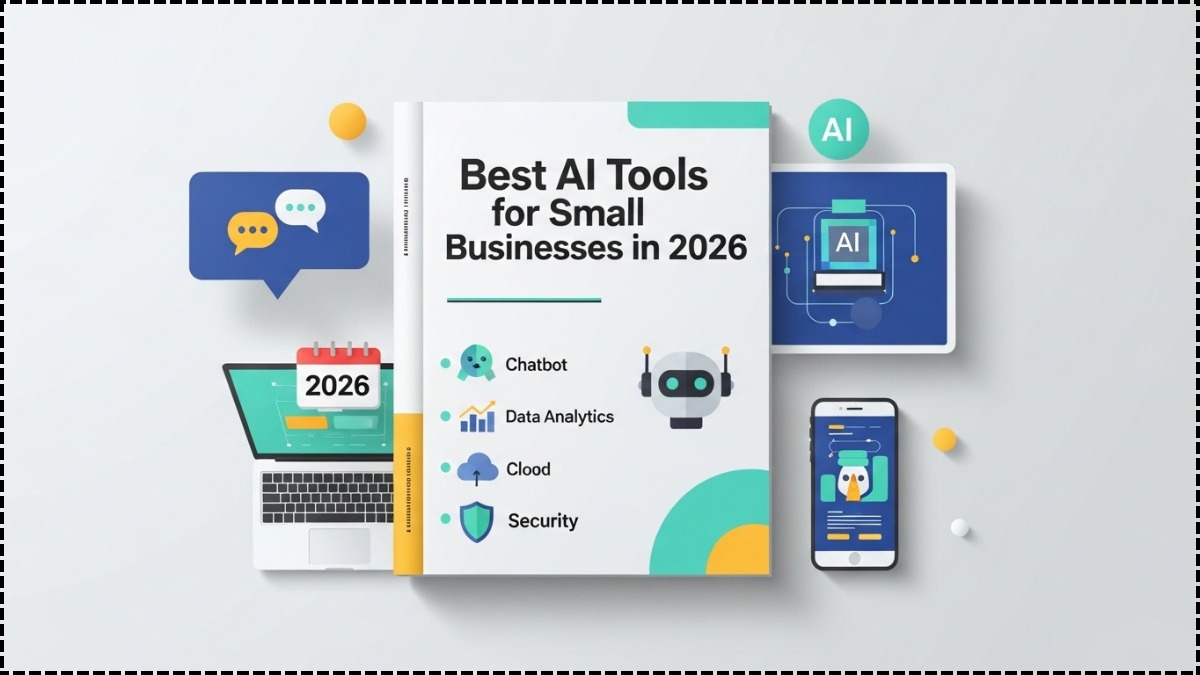
8 examples of artificial intelligence in the workplace
Here are 8 examples of Artificial Intelligence in the workplace for small businesses in 2026:
- Chatbots for Customer Support: Tools like Intercom AI handle 70% of queries, improving response times.
- Content Generation: Jasper creates marketing copy, saving time on emails and posts.
- Predictive Analytics: Google Analytics AI forecasts trends, aiding inventory decisions.
- Workflow Automation: Zapier connects apps for seamless processes.
- Employee Scheduling: AI optimizes shifts based on demand, as used by Hilton.
- Fraud Detection: In finance, AI spots anomalies in real-time.
- Personalized Marketing: Mailchimp AI tailors campaigns, boosting engagement by 20%.
- HR Resume Screening: AI tools filter applicants, speeding onboarding.
These examples showcase how Artificial Intelligence small business operations 2026 enhance daily workflows.
The Impact of Artificial Intelligence on Business and Society
By 2026, AI is everywhere—pushing businesses to new heights and shaking up society at the same time. In the business world, it’s not just about working faster. AI sparks new ideas, helps companies build better products, and makes things run smoother. But there’s a catch: businesses have to use AI responsibly, or they risk building bias right into their systems.
Out in the world, things are shifting fast. Some jobs disappear, but new roles pop up—like AI generalists, a title nobody really talked about before. Healthcare gets smarter, classrooms get more personalized, and yet, people worry about privacy more than ever. Money keeps flowing, too. AI attracts $650 billion in investments, which keeps the economy buzzing. Still, there’s this constant balancing act: enjoying the progress without falling for hype or ignoring real dangers, like those dramatic “death by AI” headlines. At the end of the day, AI moves us forward, but only if we handle it with care.
How Artificial Intelligence Helps Businesses
AI’s become a real game-changer for businesses. It takes over boring, repetitive tasks and digs through mountains of data to find insights that actually matter. By 2026, companies save a ton on costs because AI runs things more efficiently. Marketing gets sharper, too—businesses can hang onto customers longer because they actually understand what people want.
Small businesses get a special boost. With AI, they can personalize the customer experience and see engagement jump by 20–30%. Decisions get easier because the data is right there in real time, showing what’s coming next and helping companies avoid mistakes. So if you look at a small business in 2026, you’ll probably see AI working right alongside people—helping them grow, scale up, and stay competitive in a world that moves fast.
Explore with examples the effect of AI to the business world of the future
If you look at how AI is changing business, the future feels almost unrecognizable. By 2030, experts expect AI to add trillions of dollars to the global economy. Think about AI agents that can run entire workflows or new models that process video, text, and images all at once. There are already “AI factories” popping up, where software generates value non-stop, and tools that help people with zero tech background build apps just by describing what they want.
Walk into a store in a few years and AI will know your preferences before you say a word. Manufacturing lines won’t just use robots—they’ll be run by AI systems that optimize every detail in real time. Even small businesses will tap into AI-powered “consulting boxes” for instant strategy advice, breaking down barriers that once kept them from competing with big players. The result? A world where speed and efficiency matter more than sheer size.
Conclusion
So, what does all this mean for small businesses in 2026? AI isn’t just a luxury—it’s essential. Companies are using it to get things done faster and smarter, from automating paperwork to finding new customers. The best part: you don’t need a team of engineers to take advantage of it anymore. The challenge now is to use AI thoughtfully, making sure growth stays ethical and sustainable. Businesses that learn to work with AI, not just use it, will find themselves ahead of the curve.

2 Comments