Why 90% of Startups Will Fail in 2026 Without Agentic AI: 7 Powerful Ways to Replace Manual Workflows and Stay Ahead
Picture this: It’s sometime in 2026, and your biggest rival just scored $2 million in funding. Their team is only three people, but somehow they’re running 24/7 support with zero human agents. Content goes out every day. Their marketing? Tweaked in real time. Decisions just… happen. Blink and you’ve missed something.
Meanwhile, you’re buried in spreadsheets and endless emails, pulling weekend shifts just to stay in the game.
Here’s what’s really going on—90% of startups will fail in 2026 without Agentic AI for startups 2026. Most startups in 2026 aren’t going down because their ideas sucked, or their markets dried up. They’re losing because manual, old-school workflows don’t stand a chance against autonomous AI that handles planning, execution, and decision-making on its own.
The upside? You can turn all of this around starting right now.
This guide spells it all out: what Agentic AI actually is, why it’s the difference between making it and fizzling out, and seven ways to swap busywork for AI-powered systems that get things done. You’ll find the top tools, a simple 30-day roadmap, and some straight-shooting predictions that should light a fire under you.
If you’re a founder, a marketer, or you run SaaS and want to grow without losing your mind, keep reading. There’s a good chance your competitors already are.
So, what is Agentic AI in plain terms?
Instead of just spitting out responses, Agentic AI acts like a true digital worker. It can reason, plan out complex tasks, juggle your tools (think email, CRMs, APIs), make decisions, and actually learn—all without someone constantly steering it.
Here’s the difference:
- Old-school chatbots (like basic ChatGPT): You ask a question. It answers. You do the rest.
- Agentic AI (autonomous agents): You give it a goal—“Solve this customer issue and process a refund if needed.” It digs into the order, checks your policies, handles the refund, updates the CRM, messages the customer, and keeps a tidy record. All by itself.
There are real-world use cases already, too. Imagine a SaaS startup with an agent qualifying LinkedIn leads, booking calls automatically, and sending out perfectly worded follow-ups, while the founder’s asleep.
We’re talking about a real shift here—from “AI assistant” to “full-on AI teammate.” That’s why Gartner says autonomous agents will make 15% of daily work decisions by 2028. Just a few years ago, that number was basically zero.
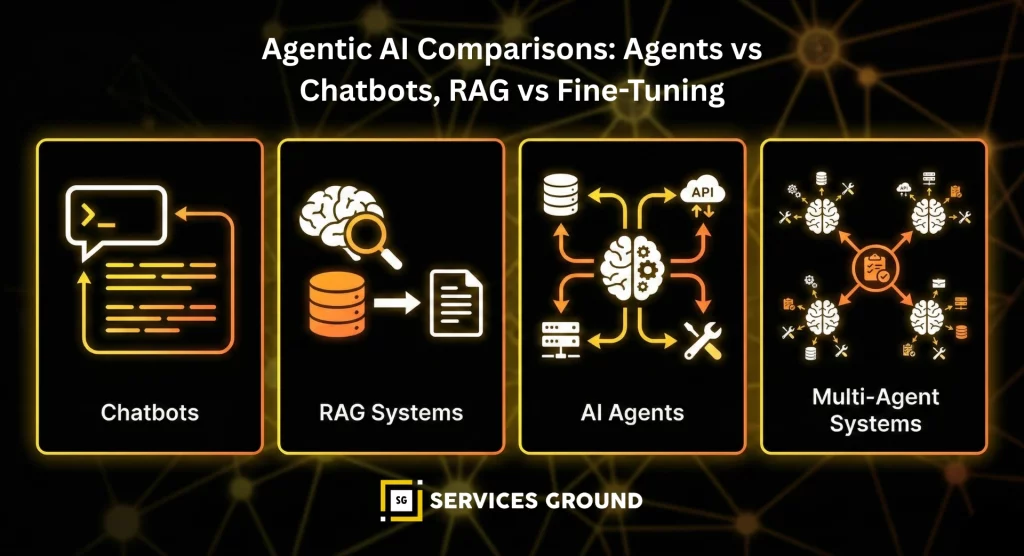
Comparison: Chatbots react. Agentic AI systems execute full workflows.
Why Most Startups Will Crash in 2026
Startups have always faced rough odds, with about 90% flaming out. But this time, in 2026, the difference between the winners and losers is about to get sharper, and it really boils down to one thing: speed.
Manual workflows? Honestly, they’re a recipe for disaster:
- Dragging your feet kills your vibe. If you’re stuck slogging through support tickets or lost in mountains of data, you’re wasting hours while your AI-driven rivals are already sealing deals in minutes.
- Trying to scale by hiring more people? Forget it. Costs rocket sky-high. Bots, on the other hand, scale way faster and cheaper.
- Half-hearted automation doesn’t cut it. Most companies—about 95%—get nothing back from their “AI experiments” because they never go beyond simple chatbots.
- Human limits matter too. Founders juggling a million jobs can’t stand up to teams powered by tons of autonomous agents.
Numbers tell the story: By 2026, around 68% of CEOs are pouring money into AI, and the ones jumping in early are seeing productivity in their data teams shoot up by over 25%.
Startups stuck doing everything by hand just burn out. They run out of time, cash, and steam.
The Rise of Autonomous Business Systems
In 2026, businesses aren’t just using AI—they’re turning into AI-powered machines. Small teams, even solo founders, now beat giant corporations because they’re running fleets of specialized bots, almost like a digital factory line.
Picture this:
- A marketing manager has agents for everything: one keeps an eye on trends, one handles writing, another does designs, and another crunches numbers.
- Walmart gave its e-commerce sales a 22% bump with a super-agent. H&M’s bot answers 70% of customer questions by itself.
Agentic AI isn’t about replacing people—it’s about swapping roles for machines so folks can spend more time on big-picture strategy. The payoff? Tiny teams go toe-to-toe with giants. Three people, three hundred—doesn’t matter. If you’re on the right side of AI, you’re in the game.

Small teams + agentic systems = outsized results in 2026.
7 Powerful Ways to Replace Manual Workflows with Agentic AI for Startups 2026
Here are the exact strategies top performers use. Each includes the problem, solution, tools, and step-by-step actions.
1. Automate Customer Support with Autonomous AI Agents
Problem: Support tickets pile up, response times lag, and founders waste nights replying.
Solution: Agentic agents handle full resolution—read tickets, check orders, issue refunds, update records, and escalate only complex cases.
Example Tools/Use Cases: Sintra AI (pre-built support agents), OpenAI Assistants API, Microsoft Copilot Studio.
Actionable Steps:
- Map your top 10 ticket types.
- Build or activate an agent with access to your CRM and knowledge base.
- Set human oversight for refunds over $100.
- Monitor resolution rate weekly (target: 70%+ autonomous).
- Iterate based on customer feedback.
Result: 24/7 support at 1/10th the cost.
2. Replace Manual Content Creation with Multi-Agent AI Workflows
Problem: Content marketing feels like a full-time job with inconsistent output.
Solution: A chain of agents researches topics, writes SEO-optimized drafts, generates images, and schedules posts.
Example Tools: Gumloop (no-code), CrewAI multi-agent systems, Anthropic Claude.
Actionable Steps:
- Create a “Content Factory” agent team.
- Feed weekly themes and brand voice.
- Approve final draft in 5 minutes.
- Track performance and auto-refine.
Startups using this publish 5x more content without extra hires.
3. AI-Powered Marketing Automation Beyond Basic Tools
Problem: Generic campaigns get ignored in a noisy market.
Solution: Agents score leads, personalize emails/SMS at scale, run A/B tests, and optimize budgets autonomously.
Example Tools: Relay.app, Make.com with AI modules, Sintra AI marketing agents.
Actionable Steps:
- Connect your CRM and ad platforms.
- Define success KPIs (e.g., cost per lead < $20).
- Let agents run daily campaigns with real-time adjustments.
- Review weekly reports.
Early adopters see 3x higher conversion rates.
4. Sales Funnel Automation Using AI Agents
Problem: Leads go cold because follow-up is manual and inconsistent.
Solution: Agents qualify prospects, book meetings, send sequences, and update pipeline stages.
Example Tools: Beam AI, Lindy AI, Zapier AI agents.
Actionable Steps:
- Train agents on your ideal customer profile.
- Integrate LinkedIn, email, and Calendly.
- Set rules for high-intent leads.
- Human closes only qualified opportunities.
One founder reported closing 40% more deals with zero extra sales calls.
5. Operations & Task Management Automation
Problem: Project management eats founder time—assignments, reminders, status updates.
Solution: Autonomous agents assign tasks, track deadlines, chase updates, and flag risks.
Example Tools: Relay.app, Microsoft Copilot Studio, UiPath.
Actionable Steps:
- Import your project management tool (Notion, Asana, etc.).
- Define standard operating procedures as agent prompts.
- Run daily stand-up summaries.
- Escalate only blocked items.
Teams report 50% less time in meetings.
6. AI for Data Analysis & Decision-Making
Problem: Founders guess instead of knowing—metrics buried in dashboards.
Solution: Agents pull data from multiple sources, analyze trends, generate insights, and recommend actions.
Example Tools: Google Vertex AI Agent Builder, AWS Bedrock Agents, Gumloop.
Actionable Steps:
- Connect Google Analytics, Stripe, and CRM.
- Ask weekly: “What should we do differently?”
- Review executive summaries (not raw data).
- Implement top recommendations.
Data teams gain 25% productivity overnight.
7. No-Code AI Tools for Startup Scaling
Problem: You need custom automation but can’t afford developers.
Solution: Drag-and-drop platforms let anyone build sophisticated agentic workflows.
Example Tools: Gumloop, Sintra AI, Make.com, LaunchLemonade.
Actionable Steps:
- Start with one painful workflow (e.g., invoice processing).
- Build in visual canvas—no code.
- Test, deploy, monitor.
- Duplicate across departments.
Solo founders now run what used to require engineering teams.
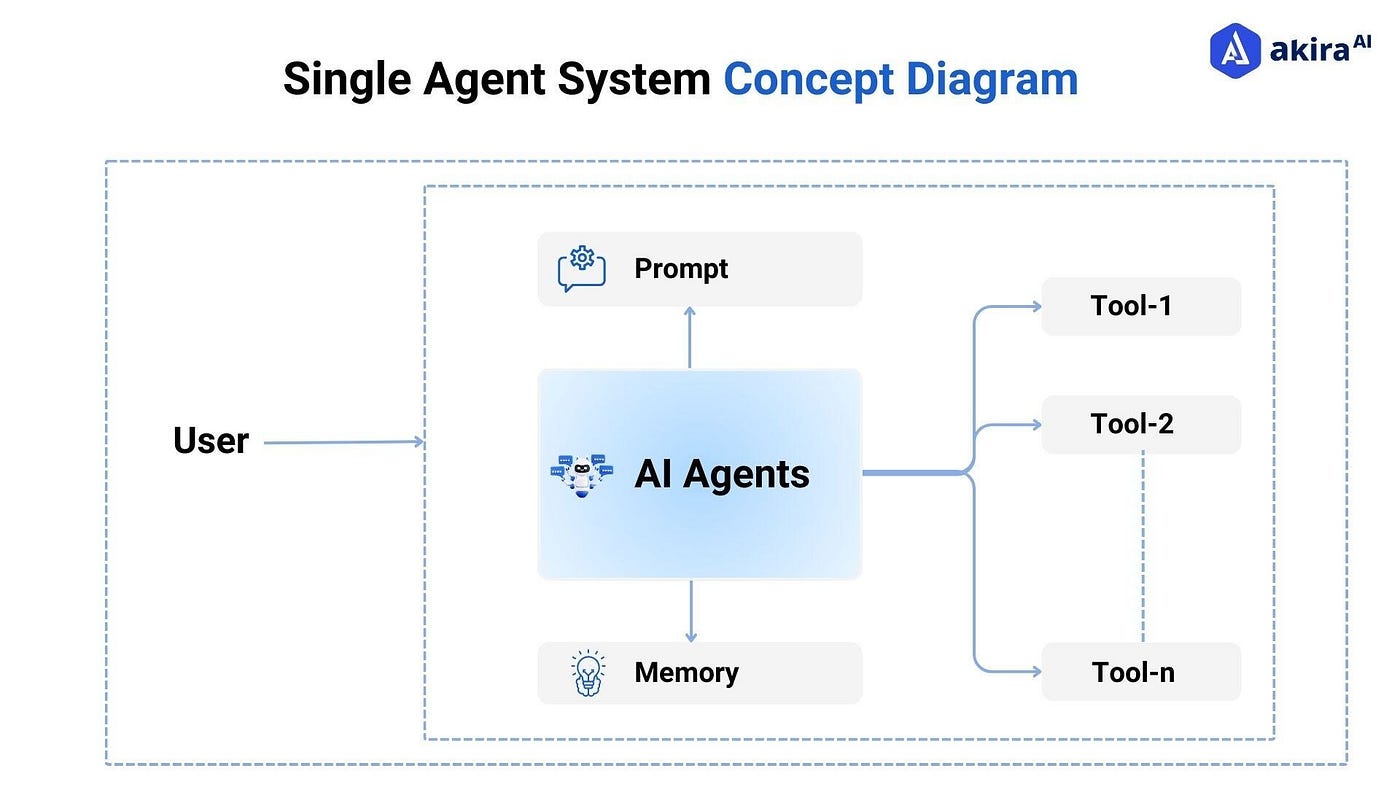
Multi-agent orchestration powers all 7 ways.
Best Agentic AI Tools for Startups in 2026
Here’s a curated list of high-value, trending tools:
- Sintra AI — Pre-built role-specific agents (support, sales, marketing). Perfect no-code entry for startups.
- Gumloop — Visual no-code builder for complex workflows. Ideal for solopreneurs.
- Relay.app — Drag-and-drop autonomous agents with strong app integrations. Great for beginners.
- CrewAI — Open-source multi-agent framework (accessible with minimal code).
- OpenAI Assistants API — Custom goal-based agents with memory and tools.
- Microsoft Copilot Studio — Enterprise-grade with deep Microsoft 365 integration.
- Make.com (with AI modules) — Powerful visual automation now fully agentic.
- Beam AI — Orchestration hub connecting everything.
- Anthropic Claude Agents — Strong reasoning for complex decisions.
- Lindy AI — Lightweight personal + team agents.
Start with 1-2 no-code options like Sintra or Gumloop. Scale to multi-agent platforms later.

Ecosystem of no-code agentic tools ready for 2026 startups.
Step-by-Step 30-Day Implementation Plan
Week 1: Audit & Prioritize
- List every manual workflow (use a simple spreadsheet).
- Score by time wasted and impact.
- Pick your top 2 pain points.
Week 2: Choose & Set Up Tools
- Sign up for Sintra AI or Gumloop (free tiers available).
- Connect your core apps (CRM, email, analytics).
- Build your first simple agent.
Week 3: Automate Key Processes
- Deploy agents for support or content (use the 7 ways above).
- Test end-to-end with real tasks.
- Add human approval checkpoints.
Week 4: Optimize & Scale
- Review performance metrics.
- Expand to second and third workflows.
- Train your team (or yourself) on oversight.
- Celebrate wins and iterate.
Track one KPI: hours saved per week. Most see 20+ hours by day 30.
Common Mistakes to Avoid
- Over-automation — Don’t remove all human oversight; start with guardrails.
- Choosing wrong tools — Avoid complex enterprise platforms if you’re a 3-person team.
- Ignoring governance — Always log agent actions for compliance.
- Lack of strategy — Don’t automate broken processes—fix first.
- Forgetting iteration — Agents improve with feedback; review weekly.
Here’s where startups are headed: Agentic AI is about to flip everything.
By 2028, a third of enterprise apps will have agentic AI built in, and nearly one out of every six decisions will run on autopilot. If you’re still putting out fires manually, you’re already behind.
Agent-native startups are taking over. These are tiny teams with no old baggage—just agent-first designs pumping out real value fast. The old SaaS crowd? They either evolve or vanish.
Things are moving fast. We’re going to see agent marketplaces pop up everywhere, plus new standards so these agents can actually talk to each other. Voice agents will walk customers through the entire journey—no more clicking around.
Who’s winning? The folks who treat AI as their first hire and their core workforce, right now.
Conclusion
Here’s the deal: if your startup isn’t using Agentic AI by 2026, good luck. Manual operations can’t compete when everything else is running on autopilot, and something like 90% of startups will miss the boat.
So, you’ve got the game plan—seven ways to get started, the top tools, and a quick-start 30-day checklist. Don’t overthink it. The only real question is, are you actually going to do this, or will you watch others speed by?
Start small. Set up one agent, review how your workflows run, grab a no-code tool, and go. This might be the easiest way your future self thanks you—maybe your bank account, too.
Autonomous business systems are here, and they’re not waiting around. If you don’t move, you’re getting left behind.
Want to build your first agent? Drop your biggest workflow headache in the comments, or schedule a call with an AI automation expert. Let’s make 2026 the year your startup breaks out.
FAQ: Agentic AI for Startups 2026
Q: what’s Agentic AI anyway—and why’s it different?
A: Agentic AI doesn’t just answer questions. It takes on big tasks, plans, and handles all the steps using its own memory and various tools. Classic AI chatbots? They just reply to prompts.
Q: How can small startups afford Agentic AI?
A: Most tools start free or cost less than fifty bucks a month. No-code options like Gumloop and Sintra AI mean you don’t need developers.
Q: Will Agentic AI take jobs in my startup?
A: Not really. It handles boring, repetitive tasks and frees up founders for actual growth and strategy.
Q: Which no-code tools are best for Agentic AI in 2026?
A: Sintra AI, Gumloop, Relay.app, and Make.com are solid picks—anyone can get started.
Q: When should founders expect ROI?
A: Usually within a month, you’re saving 15–30 hours a week. Revenue jumps in about two to three months.
For more, check out: Best AI Tools for SaaS in 2026, How to Build Your First AI Agent, and the Startup Scaling Guide.


One Comment