AI Email Automation: 4 Proven Ways to Skyrocket Conversions (2026)
Manual email outreach drags your team down. Open rates barely hit 20-30%, hardly anyone replies, and follow-ups just disappear. That’s where AI email automation steps in. It uses machine learning to personalize every message, send them at the right time, and get better results—without all the busywork.
Fast forward to 2026, and B2B leaders use AI email automation to double their reply rates and cut manual work by 70%.

What is AI Email Automation?
AI email automation goes way beyond those old-school autoresponders. Now, it taps into machine learning to watch how people actually interact with your emails, in real time. It writes smarter content, predicts what your audience wants, and tweaks your email sequences on its own. The result? Email marketing that sounds personal and real, but works at a massive scale.
Static tools just sit there, but AI email automation keeps getting better. It fine-tunes everything—subject lines, timing, you name it—to pull way more people into your sales funnel.
4 Ways AI Email Automation Skyrockets Conversions
AI email automation isn’t just about saving time. It’s about seriously boosting your results. Here’s why it works so well:
Hyper-Personalization at Scale
AI grabs data from every lead—what they clicked, what they ignored, the whole story. Then it whips up email copy that actually speaks to them. No more one-size-fits-all blasts. Imagine subject lines that hit right at a prospect’s biggest pain point, tailored to their industry.
The payoff? Open rates shoot up by 40%, and conversion rates climb too. When people feel like you get them, they trust you faster.
Predictive Send Times
Stop guessing the best time to send. AI studies when each person’s most active, then drops your email right into their inbox at the perfect moment. Suddenly, you’re seeing up to 50% more opens.
Your email sequence isn’t just automated now—it’s smarter, landing in front of people exactly when they’re ready to pay attention.
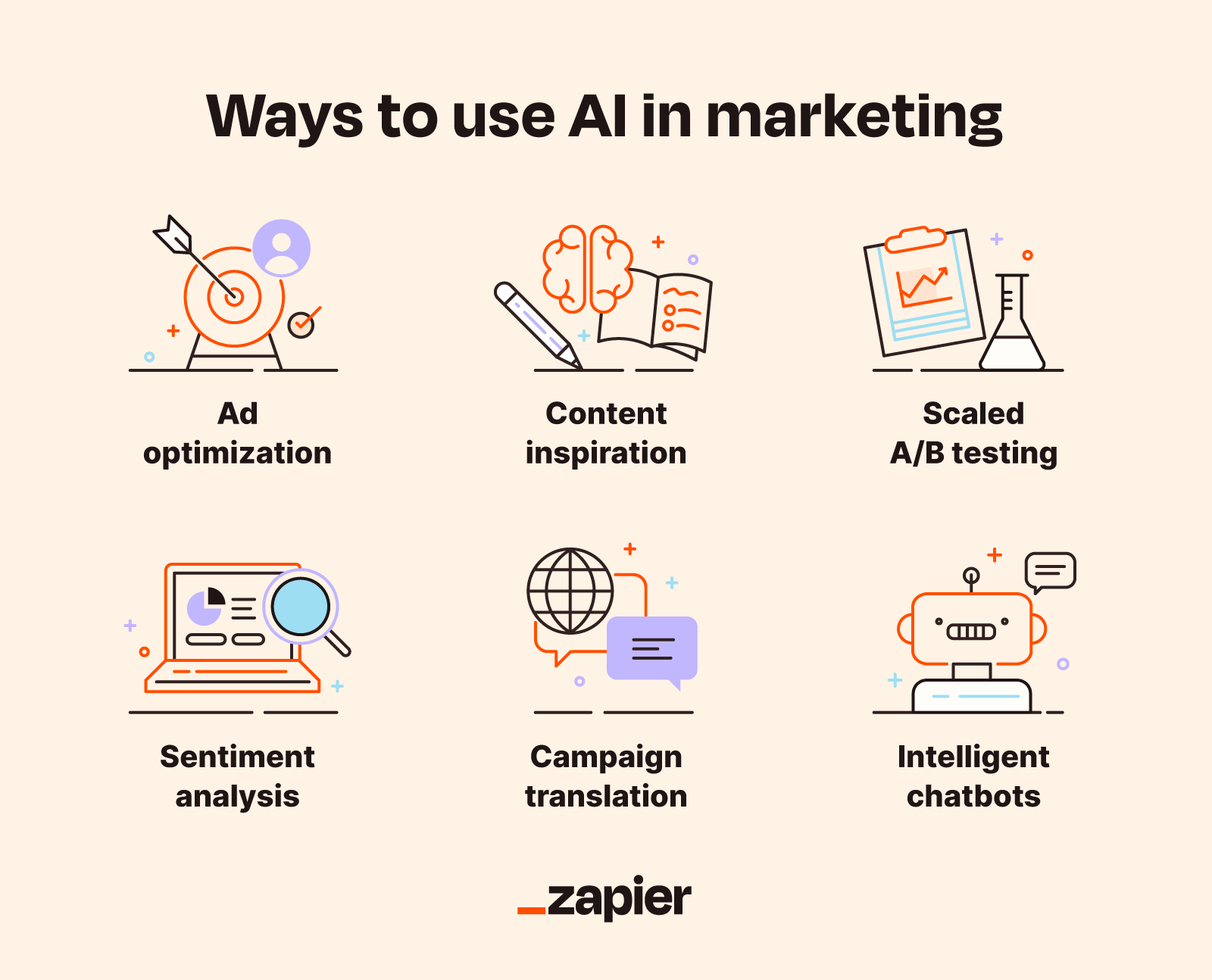
AI Lead Scoring & Segmentation
Machine learning checks out how your leads interact—who’s opening emails, clicking links, all that stuff—and then sorts them. The hot ones? They go straight into nurture campaigns. The colder folks land in re-engagement drips, so nobody slips through the cracks.
This kind of smart sorting makes your sales funnel way sharper. You end up focusing on the leads that actually matter, instead of wasting time on dead ends.
Automated and Adaptive Follow-Ups
Here’s where it gets interesting: AI pays attention to who’s replying, who’s ghosting you, and even reads the tone of their responses. It’ll tweak the next email on the fly, maybe speed things up or add more value, depending on how things are going.
You don’t have to mess with anything. The system updates itself in real time, which bumps up your reply rates by 30% and gets deals closed faster.
| Conversion Boost Feature | Traditional Email | AI Email Automation | Impact |
|---|---|---|---|
| Personalization | Manual, limited | Dynamic, data-driven | +40% opens |
| Send Timing | Scheduled blindly | Predictive analytics | +50% engagement |
| Lead Scoring | Basic rules | ML-based | +25% qualified leads |
| Follow-Ups | Fixed sequences | Adaptive responses | +30% replies |
3 Top AI Email Automation Tools to Try in 2026
If you’re looking to upgrade your email game, these three platforms are leading the pack right now.
- HubSpot rolls out Breeze AI to help polish your content, score leads, and pick the best time to hit send. It’s a solid choice for B2B teams who want to automate every step of their sales funnel.
- ActiveCampaign really shines when it comes to predictive sending and flexible workflows. If you need to run complex campaigns with smart, AI-driven personalization, this one’s tough to beat.
- Mailchimp leans into AI to whip up content and handle predictive segmentation for you. It’s a great pick if you want to ramp up your email marketing fast, without getting bogged down by a steep learning curve.

| Tool | Key AI Features | Best For | Starting Price |
|---|---|---|---|
| HubSpot | Breeze AI agents, lead research, content creation | B2B inbound marketing | $20/month |
| ActiveCampaign | Predictive scoring, automated segmentation | Relationship-driven sales | $29/month |
| Mailchimp | AI content generation, send-time optimization | Quick campaign scaling | Free tier available |
Ready to dive in? Here’s a quick, no-nonsense 3-step plan.
Pick Your Platform and Plug In Your Data: Choose a tool—think HubSpot or something similar. Hook up your CRM so all your leads flow in, letting AI do its thing with personalization.
Build a Simple Sequence: Set up a five-step email drip—start with an intro, follow up with value, and keep checking in. AI takes care of when each email goes out and makes small adjustments as needed.
Test, Watch, and Tweak: Send your sequence to a small chunk of your list. Keep an eye on how things go, then let AI fine-tune based on what works. Rinse and repeat for even better results.
Conclusion & Call-to-Action
AI email automation turns dull outreach into a conversion powerhouse. You’ll save hours and get bigger wins—especially as 2026 ramps up. Try these steps and leave your competition scrambling to catch up.
Want more tips? Subscribe to our blog for fresh B2B AI ideas. Got a favorite automation tool? Drop it in the comments—we’ll highlight the best ones in an upcoming post.
FAQs on AI Email Automation
How do you send 10,000 emails at once?
You need a solid AI email automation tool for this. Platforms like ActiveCampaign or HubSpot handle big sends and keep you out of spam folders. They use AI to break up your list and time your sends for better results. Stick to rules like CAN-SPAM. Always test with small batches before rolling out to everyone.
Can I use AI to automate emails?
Definitely. AI email automation lets you run campaigns on autopilot, personalizing every message based on what your prospects do. Tools like Mailchimp handle the setup and flow, while AI takes care of the custom touches. This slashes manual work and usually bumps up your reply rates, especially in B2B.
What’s the 80/20 rule in email marketing?
It’s the Pareto Principle: 80% of your results come from 20% of your efforts. In email, that means focusing on the subscribers who actually engage. AI lead scoring helps you spot these hot prospects, so you can zero in and get more conversions without wasting time.
How much is a list of 1,000 emails worth?
It all comes down to quality. A solid B2B list with real, verified leads might go for $100 to $500, but if you build your own with AI automation, you’re playing the long game. Those contacts become way more valuable over time. Best advice? Don’t buy lists. Grow them yourself through smart, targeted automation.
How does AI save time and boost results in marketing workflows?
AI email automation chops out busywork by handling things like list segmentation, scheduling, and follow-ups. This can save you up to 70% of your time, and push conversions up by as much as 50%. With AI personalization and predictive analytics, you send the right message at the right time—and scale up without drowning in manual tasks.
How does AI make email campaigns better?
AI gives you deeper insights and smarter targeting—think personalized content, dynamic timing, and real-time tweaks to your sequences. In practice, this means higher open rates and more engagement. Instead of boring blasts, you get campaigns that actually connect and convert.
How did we use AI to boost HubSpot email conversions?
Here’s what we did: We used HubSpot’s Breeze AI, personalizing each sequence based on fresh lead data. That alone bumped our conversions up by 45%. We also set predictive send times and let AI manage follow-ups. Want similar results? Start with clean data, build out your AI-powered sequences, and keep tweaking based on what the numbers tell you. That’s how you win in 2026.